

Is God Really There?
Listen in with Kymberli Cook as analytic theologian Kevin Wong and philosopher Charity Anderson explore one of the oldest and deepest questions, diving into the complex concept of divine hiddenness and asking why a loving God might not always make His presence obvious.

The Table is a weekly podcast on topics related to God, Christianity, and cultural engagement brought to you by The Hendricks Center at Dallas Theological Seminary. The show features a variety of expert guests and is hosted by Dr. Darrell Bock, Bill Hendricks, Dr. Kymberli Cook, Kasey Olander, and Milyce Pipkin.
Timecodes
- 3:19
- What is Divine Hiddenness?
- 5:29
- Classic Arguments for Divine Hiddenness
- 8:27
- How Divine Hiddenness Affects How We Think About God
- 14:33
- How Creating a Stronger Argument for Divine Hiddenness is Helpful
- 22:31
- Hiddenness and a Knowable God
- 27:24
- Navigating Divine Hiddenness as a Christian
- 32:12
- Wrestling with the Question of Divine Hiddenness
- 41:34
- Summary of Divine Hiddenness
Resources
C.S Lewis, Till We Have Faces
*As an Amazon Associate, Dallas Theological Seminary earns from qualifying purchases.
Transcript
Kymberli Cook
Welcome to The Table Podcast, where we discuss issues of God and culture to show the relevance of theology to everyday life. My name is Kymberli Cook. I'm the Assistant Director of the Hendricks Center, and today we are going to be talking about philosophy, and a specific aspect of philosophy, a conversation about the hiddenness of God. And don't worry, I'm going to unpack, we're going to unpack what the hiddenness of God even is. And we can do that because we are joined by immensely qualified scholars who have dedicated their lives to thinking in this space. So we have Dr. Charity Anderson with us today. Thank you for being here.
Charity Anderson
Thanks for having me.
Kymberli Cook
And we are also joined by Dr. Kevin Wong. Thanks for being here.
Kevin Wong
Thank you. Thank you for having me. It's an honor.
Kymberli Cook
So we really appreciate you all just taking time to kind of sit with us at the table and chat. Let's get to know you a bit before we fully hop into our divine hiddenness conversation. So if you could, each one of you, could you tell us a little bit about yourself and essentially how you ended up thinking so much in this area, either philosophy or Charity, in your case, divine hiddenness, specifically, just how did you end up spending your all of your hours doing these things? So, Kevin, let's start with you.
Kevin Wong
Okay, well, I'm Kevin Wong, Assistant Professor of Theological Studies here at DTS, and I consider myself an analytic theologian. So that is a philosophical theologian who works with the analytic mode, and that requires definition by itself, but you can think of it as the English-speaking world, 20th century onward. And so divine hiddenness is not one of my specialties, but it is something that I brush up against when I teach, say, philosophy of religion, and even when I do theology, you know, there's an aspect of God that is hidden, because we have to talk about him disclosing himself. So that's how I happened upon Dr. Anderson's work.
Kymberli Cook
Awesome and Charity, how did you end up so buried in philosophy? Okay, wait, I have to say this real quick. Philosophy itself is, I love it, and when I was first introduced to it, I was like, Oh, my goodness, these people are asking the questions that I've been asking, you know. And I think I was like, 17 when I, you know, I was like, "Oh, these are my people." And then I got deeper into philosophy, and I found out that there were formulas and math. So I was out, I was deeply out, so how do you continue to be in?
Charity Anderson
So I'm there for all of it. But no, I love that. So I'm Dr. Charity Anderson. I work at Baylor University. I've been there 11 years. And yeah, I also love questions, all kinds of questions, but I think questions in philosophy of religion and especially divine hiddenness have a particular attraction for me because they have such a personal application side that not every philosophical question has, and I love that I get to explore that as part of my job.
Kymberli Cook
So what was it about, actually, you know, let's, let's talk about what divine hiddenness is. And then we can even kind of weave that in with how you got interested in it. But can you just give us a real brief introduction to what are we saying when we're saying divine hiddenness?
Charity Anderson
So I think the best way to think about it is to think about it as a question. You could think like, "Why isn't God more obvious?" and start there. So some people think that God hasn't given us enough evidence to believe that he exists; some people think he should be more obvious in other ways, more maybe a sense of his presence, or more answers to prayers, so I think a lot of people have experienced times in their life where they've thought, "wow, why didn't, why didn't God show up for me right now?" and it's as simple as that, and then you can look at it from lots of different angles.
Kymberli Cook
So, big, huge, philosophical field, but really it's, "why isn't God more apparent?", essentially, right?
Charity Anderson
Yeah, and what do we do with that?
Kymberli Cook
So how did that grip you? Why did that grip you? As a question?
Charity Anderson
So I think I've been thinking about this since I was a teenager. So I grew up in a non-denominational church where I had all these experiences of God, and then one day they just, like, kind of tailored off, and I think I just wondered," well, why is that?" and I started asking people, and I got lots of different answers, and people are like, "Oh, that's just God, he's just withdrawing." and other people said, "No, no, that's you. You know, probably you've changed." and I found that confusing in and of itself, just like two different answers, and it wasn't until much later that I came back to it with, like, a little bit more of an academic angle. But I think, at all different levels, there's, like, some really hard questions to grapple with, with this topic.
Kymberli Cook
Awesome, well, very cool. Okay, so let's get into just a smidge, and if you are not, if you're like me, and you're not like super, super into philosophy and all the depths, and particularly the mathematical depths it can go to, then hang with us for one second, because there's some really cool like, like, Charity said, like, personal application stuff on the back end. But Kevin, can you give us kind of the philosophical classic argument conversation about divine hiddenness and as it relates to whether or not there really is even is a god?
Kevin Wong
Yeah, yeah, good. So we're all familiar with, say, problems of evil, where we think that there's some sort of conceptual incompatibility between the existence of God and the existence of evil. If we have this, what we call an O3, God, He's omniscient, He's omnipotent, and He's omni-benevolent. Why then is there cases of evil, and that's the broad general puzzle, and there are different species of that puzzle, so things like perhaps, maybe the existence of evil and the existence of God is actually compatible. However, maybe it's the amount of evil, you know, we're shocked and surprised by the amount of evil or the intensity of the evil, and then I have long considered divine hiddenness to be another species of the problem of evil. So maybe evil wouldn't be so bad, maybe suffering wouldn't be so bad if we knew God was present, you know. So it's kind of like when I take my kids to the pediatrician, it's time for a shot, and maybe the shot isn't so bad if I'm still in the room with my child, to be present, to be understanding, maybe I won't rescue my child from the pain of that vaccination shot, but still being present is important. So I've considered divine hiddenness to be a species of that. I've been recently challenged by that, but I've seen it as that. So if it's the case that God is how the Christians have portrayed him, that he is loving and that he's a revelatory God, he communicates he wants his presence to be known, well then, why is his presence just not that obvious? Why is it so difficult to find him sometimes?
Kymberli Cook
And the in the argument would then say, "Because it is not obvious, as obvious as we perhaps would expect it to be, then there is no God." Then that omnibenevolent God doesn't actually exist.
Kevin Wong
Yeah, and I think we can be sympathetic with that, since the psalmists, you know themselves, would say something like that, like, where are you God? I'm waiting for you. Aren't you the covenantal God who saved? Aren't you the God of Israel? Well, I'm suffering here. So I think we can be sympathetic to that sub that species of problem of evil
Kymberli Cook
And maybe even we, we might even have to be, if we're being honest as believers, because of at least evangelical believers, because we celebrate Scripture as God's self disclosure to us. And so if that's the case, then we're recognizing that there is some kind of hiddenness inherent in what's going on, and that's why scripture is such a big deal, because He has revealed Himself to us. Okay, so that's the basic problem. Charity you have kind of recently said I'm not sure that that's the most helpful way to even phrase that problem. So walk us through your thought there. Yeah.
Charity Anderson
Yeah, so the way that Kevin just sketched it, which is how people think about it, makes hiddenness into a decisive reason to believe that God doesn't exist. So it's a really strong way of putting the argument, but there are weaker ways to put it that I think still capture the phenomenon of hiddenness and what we need to grapple with it, but without leading us to just deny that God exists. So the way that I think about it is, it's just one reason among many. So it's some evidence, we have other evidence, but I think we have to grapple with like, what should we do if we observe that God is hidden in some way or other? And what should that, how should that affect how we think about God? How we think about either whether he exists, if you're coming at it from the perspective of an atheist or agnostic or from a believer. Like, how should that change how you think about God?
Kymberli Cook
And maybe even also, how does that change how... Let's say I do have the faith commitment, obviously, because, you know, doing a podcast for Dallas Theological Seminary, have faith commitment, that there is a carrying all that, like the O3, is that what you said? The O3 three God? But it might also have an implication for how I interact with people who don't, who don't have that faith commitment, and like, really giving them some space for doubt and saying, "Hey, I think that, like, there are grounds for you to have this kind of question." Is that consistent with what you've been working on?
Charity Anderson
Yeah, so, the way that I think about it is this problem is really about our expectations, and what do we expect from God? And I think that the atheist or the agnostic who's really seeking, who's really honestly grappling with, like, what should I believe? They might have an expectation that, wow, if there is a God who loved me, like, wouldn't he just make himself a little more obvious? I think that's a really honest thought. It's a sincere thought. And I think that if theists come along and just say, You know what, like he is, obvious is, you know this, this isn't really a problem. I think that's not really meeting them where they are. You're not really entering into their perspective and trying to see the world the way that they see it, and they're really struggling. And there are some things that are really hard to understand about this world and why the world is the way it is. If there is a God that I believe in, and I think that we need to come alongside them and grapple with it from their perspective, not just from our perspective, but at the same time, I think Christians have expectations of God, like he promises he'll be with us. When God is absent, like that, expectation is violated. I mean, when we don't sense His presence, there's something really hard. And I think Christians sometimes don't want to talk about that, because we want to, you know, like, put a happier spin on our Christian lives.
Kymberli Cook
Or even, I mean, like, I've because this is, honestly, it's part of my even, like, personal faith story, I too, when I was a teenager, read all of those things and was like, "Oh my goodness, all these questions." and my big, my big concern was about the existence of God, and, like, I struggled with it, and I asked all these different kinds of people, and I'm so thankful that I had people who gave me, I mean, I use this word again, but like, I gave that gave me that space to like, be like, "Yeah, that's a fair question." You know, they I didn't get shut down like others sometimes have been. But I think I lost my train of thought, man, yeah.
Charity Anderson
Maybe if I can say something real quick, so there's one way of responding, there's one way theists have responded to the problem of divine hiddenness that goes like this "It says, Well, if you don't see God, it's your fault, like you're a sinner, and there's lots of evidence, and so you are. You just need to open your eyes, you know, like the evidence is out there, and you're keeping your eyes clenched shut, and that's why you don't see the evidence game over." And I think, no, I mean, maybe there are some people, I mean, probably there are some people who don't want to believe that God exists and who are like that, and they're really resisting the evidence in that way. But I don't think that every agnostic or atheist is like that. I think some are looking around and they're saying, "Look, I see what's around. I see all of the evidence, and it doesn't add up to me," and they're being really honest about that. And so I think we need to have space for people who are taking that perspective, and how we're going to engage with them from that angle.
Kymberli Cook
Thank you for jumping in there, because as you were talking, I remembered what I was going to say. But like, it's exactly what you're saying and I think another thing so this idea that, like, we're just, we're just keeping our eyes shut, is one like an accusation. It can also, especially in Christian circles, this kind of conversation can come across, I think, is disrespectful to God, where it's like, well, but who are, I mean, because it almost has like, a Job 39 thing like, "Who are you to be asking these things" and so I think that there's a way, though, for it to be a respectful conversation, but an honest one that's actually grappling with the true questions that are going on.
Kevin Wong
Yeah, and I tend to think that it's not just a Christian-to-non-Christian discussion problem, it's also Christian to Christian. So it's intra-Christian. So for those Christians who start experiencing, say, something like a dark night of soul, or just a prolonged period of not experiencing God's presence more directly, right, suddenly, there's this judgment sometimes where maybe you're not a good Christian, maybe, or maybe you're not even a Christian at all, maybe, maybe what has occurred to you before? We're just, you know, fabricated emotions, but you're not really one of us, the elect, you know, real Christians, good Christians, always have this awareness of God. Always has this, this felt presence of God. And I think that can be disrespectful to even believers, as if their experience of God is going to be perfect, rather than, say, going through the undulations, the oscillations of up and down, up and down, like, like, real, genuine relationships do.
Kymberli Cook
Yeah, absolutely. Okay, so there's one other thing that we kind of need to surface in this, and you please correct me if I'm wrong. You actually like, came up with a stronger argument against the existence of a caring God, right? You actually like, made it a stronger case.
Charity Anderson
Yeah, I did.
Kymberli Cook
I love this. I want to dig into it, because I think that this is really helpful.
Charity Anderson
Yeah, okay, let me say a couple of things about that, because, I mean, obviously I'm a theist, I'm a Christian, but one thing I noticed going on, and this is in more the academic discussions, but this, this argument and this topic was really being advanced by one person who comes at it from an atheist, agnostic perspective. And all the theists were just like they were taking that argument and responding to it. And I noticed that this conversation seemed to be reaching an impasse and becoming kind of stale. And I thought, "I think what we need to do is step back and look at this phenomenon and see if there's a different way to present it, a way that I think captures really better the way in which it's problematic." But I think that that's really helpful, even though I feel like, sometimes, okay, I'm doing the work of the opposition. But I think that by setting out the argument in its strongest form, we'll be able to give the strongest response to it. And I think some of the responses to it, they had a low bar for what was needed to give an adequate response. So I've given, in one sense, a stronger argument, but I'm really hopeful that we're going to end up with stronger responses too.
Kymberli Cook
So I just, I love it, because I was sitting in your lecture and I was listening, and I'm like, I'm pretty sure, I think I know what she's saying. And then I read your article to be sure that, and I was like, "No this is what she's saying.
Charity Anderson
That is what I'm saying.
Kymberli Cook
And then I actually went to a couple other people, and I was like, "I mean, this is what she's saying, right?"
Kevin Wong
Way to be a maverick.
Kymberli Cook
No, but let's talk about that a little bit because you already gave one. So, like, it's actually, and we've talked about, it's somewhat, even what we've been talking about, like, actually being fair to the conversation, being fair to people and, and there's an intellectual honesty there of being, like, no, like, let's act, you know, if I can look at this as a philosopher, and I've been trained to think this way, and I actually, you know what? No, it's actually worse. It's worse. You know, from our perspective, with our particular faith commitment, it's, it's worse than it was, but, but let's actually call a spade a spade.
Charity Anderson
So here's how I think about it. So what I was calling decisive reasons, once, we're not in the ballpark of thinking about decisive reasons for God, but which, I mean, just like there's one reason, and it's either, like definitive for God or against God. Once we're in the realm of talking about evidence for God, well, now we've got lots of evidence different pieces. We've got to add them all up. I think that theists are very reluctant to say about anything that it could be evidence against God. We've got lots of evidence for God, but some people want to resist saying about evil hiddenness, and they want to be able to spin it so that it's not evidence against God. And I don't think that's the right way to think about it. I think that God has allowed there to be some things that point away from him. Now I think our total evidence points towards him, but I think that a more honest way to look at these issues is to say, "Yeah, I understand why some of those would be reasons for doubt. It's a good thing that God has also given us a lot of reasons to believe." But calling if we look at what would be a reason for doubt and say it's not a reason for doubt, I think that is really confusing for people, I think that doesn't lead to open and honest discussion and inquiry and giving people space to wrestle with these things. So that's the approach that I take, and it could look concessive to people, but I actually think a lot of people relate to that, and they want to be able to grapple with these things, and it allows you to take the next step and ask, Okay, God, why did you allow there to be evidence that pushes the other way? Like, what's going on there?
Kymberli Cook
Yeah, Kevin, so you, Kevin, actually has brought Charity, like, on campus for the like these lectures.
Charity Anderson
Might be regretting it,
Kevin Wong
Nope, not at all.
Kymberli Cook
I'm curious what was your thinking and how you thought that this contributed helpfully, because I agree wholeheartedly that it does contribute helpfully to the conversation.
Kevin Wong
Yeah, you know, all the things that have been mentioned already, just things like being intellectually honest instead of being dismissive. I do think, as a theologian, that with sanctification, those pieces of evidence that we have taken to be contrary to God actually can be in support of God over time, but that takes training. You know. You know. So you know., yesterday, I used this metaphor where, you know, if I say no to my children with regarding cookies before dinner, right? My four year old is going to interpret that as evidence that I don't love her. But my 13 year old, my sophisticated, cool, Suave 13 year old, at this point, is going to say no, no, this is evidence in support of dad loving us. He loves us so much that he's willing to say no to fun things for our health. So you have two different people with radically different interpretations about what the evidence is actually saying. And so I wanted to bring in Charity to help us with that conversation. Because I am a theologian, you know, I just think things like, what divine hiddenness? It's not necessarily, as a theologian, I'm not, I don't think that is necessarily evidence for God's non-existence. I think that's evidence for the great gulf that's between us based upon Isaiah 59, based upon our sin, and so I think this pushes back. Yes, I'm a theologian, and so I think this discussion helps me to remember that I have a broader audience too, not just among, say, academic students, where we're going to look at the noetic effects of sin and the fall and revelation, but also that there are other phenomena at play, you know, with apologetics and philosophy and just spiritual discipline, with spiritual life, that it's not going to be that way all the time.
Kymberli Cook
well, and I really love it, because it pushes back against, like, a sense of tribalism, essentially, where it's like, well, I Have my group that and my commitment, and this is what I'm supposed to defend. And so if we, like, quietly see something, like, we're just not gonna say that. Don't give them that. Like, that's not fair, it's not kind, it's not loving, it not only, you know, like, not honest, like, it's a lot of things. So it pushes against that, where it's like, no, we are all in this together, and I think that that just opens up so many lines of communication.
Charity Anderson
Yeah. Another way of putting it is, I think that God can surprise us. And I think there's a sense in which Christians want to always say when something happens, that we might have thought, "Whoa, that is not what I would have thought God would do." We want to come up with some reason that then we can say, "Oh yeah, it was for this reason. And so of course, he was going to do it that way," and that's exactly the way we expected it to be. And I don't think that way at all. I look around at this world, and I think this is not the way that I think the world would be if you had asked me and told me there was a God of the kind that I believe in. So things are not the way that I expected, and I think that we have to give room for God to surprise us like that, and then for us to have to grapple with, well, what is he doing? It's not obvious to us why he's doing it this way. It's unexpected, and he's that's the way he's doing it, though, but there needs to be some space for that kind of reaction, I think.
Kymberli Cook
Yeah, so I have another question, it's a little bit of a different track, but it's very much still in keeping with hiddenness. Divine hiddenness. So how, especially as Christians, how do we navigate, especially this philosophical conversation, but all, but particularly this conversation, and like our observations in Scripture, so particularly in mind, would be like apocalyptic literature in general, like where the idea behind apocalyptic literature is the pulling back of the curtain and like Him no longer being hidden. Like, how, how do we navigate thinking through that? And how does that kind of or does it fall in as, like, evidence that you're talking about in in this conversation? Does that make sense? Or no, no. So you were saying, like, we as Christians have a bunch of different kinds of evidence for the like, presence of God and and I get some of that is experiential. But would like our observations, even of this, like, be like, Well, no, actually, as we look at our scriptures, we see God is revealing himself, I don't know.
Charity Anderson
So one thing I think we see in Scripture is yet we I mean front and center God's revelation. I mean through Christ, through all of Scripture, but throughout, we see different moments where he's also hiding. I mean, for one, He's transcendent. We see Jesus like over and over again in the Gospel saying, don't tell anyone. He's revealing, but it's partial. So that's the way that I like to think about it, is he's hidden, but he's not fully hidden. He's partially hidden. And we can ask, Why? Why not more? Why not a little more? I think that he wants us to ask that question. I think one thing I see in Scripture is that God wants us to be honest with him about the questions that we have, and when Job, you know, goes to him and is like, kind of demanding, like I want a judge between me and God. I mean, it's a really demanding moment. I think we see that in other places, in Scripture, and more and more, I'm thinking, yeah, God doesn't just want us to sit and be thankful and praise Him. He wants us as we're honestly grappling and looking around at the world and saying, Hmm, I don't know about this, to talk to him about it.
Kymberli Cook
Hmm. How do you think through it as a theologian?
Kevin Wong
Yeah, lots of thoughts come up. One is that there could be positive functions to divine hiddenness. I mean, I see that prior to the fall, prior to the fall, you know, God is not obviously around, allowing Adam and Eve some sort of agential space, like space to be moral agents, to make decisions, you know, to bring up my kids again. My kids tend to be on their best behavior when I'm around when my presence is obvious. But once I leave for the day, I say, Okay, goodbye. Dad's going to go to work now, and they can just run amok. And then my wife has to say, you know, wait till your father comes home. You know, how disappointed would he be with you destroying the house. So I think there's something valuable, perhaps, of with God's hiddenness in that respect. But again, yeah, with the with the Incarnation especially. So I'm going to go a little Barthian here and say that the revealing God is also the hidden God. There is a there's a function of some sort for God to veil himself in flesh. So even though the flesh of Jesus is the vehicle by which we come to know God. I mean, Hebrews 1 tells us that the sun is the apex, the supreme revelation. And yet that supreme revelation, when people beheld Jesus, they didn't say, "Hey, I wonder if this guy is God." Most of them just said, "No, he's a guy," right? Even the disciples who hung up with him said, what sort of man has his authority? So there's some sort of function to it. And, you know, I can speculate all day long about some of those positive functions, one of which was, like I said, being genuine moral agents. Where have you actually internalized the character, or you just acting out a script imposed upon you from some greater authority? You know, do you become a virtuous agent on your own? I think maybe another one might be simply longing. Perhaps God is hidden in order to produce, say, longing in us, right? So, you know, absence makes the heart fonder. Perhaps God is doing that so that when he's not around an obvious way, you know, there's no commentary in his all omnipresence. But if God's not around in an obvious way, maybe that just makes us more hungry for Him, so that way, when we do encounter him, it's that experience is all the sweeter. So as a theologian, I, you know, I've been speculating, I've been thinking about these especially when it comes to the incarnation. There is that messianic secret, why does Jesus actually seem to make people quiet when they could be wonderful testifiers to his to his work? you know, so that's a that's a genuine puzzle.
Kymberli Cook
So how do you two as people who've thought very deeply about this but also have the faith commitments that we've talked about, how do you guys navigate this for yourself, as far as like the like God being hidden, and, you know, especially if you do have these philosophical bents where it's like, no, I feel this problem. How do you guys navigate that?
Charity Anderson
Yeah, well, let me, just as I answer that, throw out a recommendation to readers to pick up C.S Lewis's Till We Have Faces if they haven't already that book has been really influential. Yeah, I mean, he thought it was his best fiction,
Kymberli Cook
So good.
Charity Anderson
And there's so many themes. There's themes of love and loss, but there's a very central theme of divine hiddenness. And it's something I read with my undergrad students every year, and I just love it, but it's, it's so it's very personal to me. But in the moment where the main character gets to bring her complaint before God, Lewis says this very strange thing. He says basically that the giving of the complaint was the answer. So she gives her complaint and they say, Are you answered? And she's not there's silence, and yet she says yes, and this is something that I grapple with a lot, but one thing that I keep coming back to in that is that I think Lewis saw that we have to honestly bring our complaints to God. We can't like stuff them, and try to pretend like we have the answer already, or there is some quick, you know, kind of pithy way of giving a quick answer to, you know, these difficult questions, He wants us to really grapple with them. And one way that we can do that is in prayer.
Kevin Wong
Yeah, that's, that's good. I tend to think of Acts 17 a lot, right? That the that God has orchestrated the times and places for us to be in, in order that we may seek him, though he's not far away. So I tend to think that divine hiddenness is one of those, one of those aspects that's orchestrated my life, that somehow, some way, this is in service of my faith, of my seeking after Him and different people's faith in Jesus is going to look a little bit different, you know. So even the resurrected Christ said that to Peter, when Peter, when he asked Peter, do you love me? Do you love me? Do you love me? And then Peter, at the third. I'm kind of shrugged and says, Oh my gosh, why are you? Why are you stressing me out? Jesus? What about that guy? What about what about the apostle, John? And Jesus says, What about him? What if he lives forever? What is that to you? You must follow me. You know you must follow me based upon the circumstances that you are in, not pining for somebody else's circumstances. And so I think divine hiddenness in our individual lives could serve that function. I also think of, say, the cry of dereliction, that Jesus himself, in his human nature, experienced some sort of abandonment from the Father. I'm not saying that Trinitarian relations are broken. I'm a good classical Trinitarian.
Kymberli Cook
For you listening, that is the theological third rail he just touched now.
Kevin Wong
So, you know, I still hold to homoousion, right? Homoousia, I still hold to the eternal generation. I don't think the Trinitarian relations are broken, but nonetheless, Jesus, in His human nature, I think there can be some level of abandonment, and I think that there's great comfort in that, that even Jesus experienced that. So maybe, maybe not, the cry of dereliction. If that's too theologically complicated, at least the Garden of Gethsemane. Right in the Garden of Gethsemane, Jesus is stressed out, and He's wanting comfort from the Father. He's like, if it's possible for this cup to pass for me, please let it be so. But if not, then your will not mine. I think that's a really comforting point to understand that even Jesus experiences something of a divine hiddenness. And he is God, right? But in his human nature, he's not having the this full blown experience of the Father's presence in such obvious ways. And I think that's a comfort that what I go through with divine hiddenness is normal. It's natural, and it's okay, and it's a way for me to relate to Jesus, the way that Jesus and I can have a friendship, a fellowship, and intimacy, where we can understand each other in ways that perhaps others can't. You know, I I get jealous of my wife sometimes because, you know, she can hang out with her mom friends, and they can all share birthing stories, and I, as a man, I have no idea what that's like. I have no experience and but there's something about the shared understanding of pain and suffering that brings all these women together that I said, Wow, that's amazing.
Kymberli Cook
So if you're listening and you're you've already been struggling with whether or not there, there is a caring God, whether he exists or not. What would you all our guests? What would you say to that person, in light of everything that we've been talking about? Charity?
Charity Anderson
Yeah, I think that I would say to be patient and not, not to feel rushed to make a decision. I think that God reveals Himself over time, and He, yeah, He's not in a hurry. Sometimes you need to sit with the evidence for a while, but also, I think seeking out more evidence. I mean, if you, if you look around and you think, you know, I've looked at some arguments, and I tried church once, and it just didn't really seem to be convincing or compelling to me. I mean, Pascal has a very famous recommendation that, well, you know, maybe you lean into it. And maybe the way to get more evidence is you lean into it, you know. So maybe you start going to church regularly and start praying and see what happens. And maybe that's the way that God reveals Himself to you, but he might not reveal Himself in the same way without you leaning in a little.
Kymberli Cook
So that, and I want to, I want to get to your answer in a second, Kevin, but that does go to something that I have been wanting to surface with you. So these evidences for God's presence, even despite his hiddenness, what are so I'm hearing you say, like, okay, so going to church, praying? What are some other places that you that you look and you're like, "No, I see evidence of the presence of God in these places, at least, like, that's been my experience"
Charity Anderson
Yeah, I think that's a great question, because evidence is such a, you know, philosophical term, yeah, but I really have a very expansive idea of what evidence is. I mean, we're getting evidence from observation, from people, from testimony, all sorts of things are evidence. So evidence is not something that you can put under a microscope, microscope alone. I mean, it is that, but it's also the things that you hear from other people, when they tell you stories, when they give you information about themselves, that's evidence. So I think that you know you can choose what evidence you get. To some extent, it's not just.
Kymberli Cook
Like what you expose yourself to.
Charity Anderson
Yeah, yeah, you can, you can read books. You can hang out with different people. So when I think about evidence for God, I mean, really for me, the design, beauty and existence of the world is really strong evidence that there is a divine being. I mean, that's just that weighs very heavily for me. But in addition, I think you know the the moments that I have had in the past, in worship, in reading scripture, in specifically in the church, in communion, these are all pieces of evidence for me, and maybe one of them in isolation wouldn't be enough. But when you put them together, and you know, some arguments, although I really think that a lot of people don't believe in God based on some of the, like, really abstract arguments, I think, I think a lot of people believe because of the world, and a lot of people believe because of personal experience with God and reports of other people who have, I mean, both from scripture, but also people who report miracles, people who report answers to prayer. I think it's kind of a cumulative case.
Kymberli Cook
What would you say to someone who is has been wrestling through that question?
Kevin Wong
Yeah, that's good. I think Radical Honesty is a lost virtue. You know, we're very, we're very self deceived people inside and outside the church, you know, because of, say, you know, tribalism, what have you, we feel like we just have to toe the party line. So I would say for those who are seeking after God, the evidence is not that convincing. It's not that obvious to still be patient, yes, patient with yourself, but also be radically honest and say, Have I done enough searching, you know, What? What? What are the evidences that that I saw that just didn't seem convincing? Is it that you're going on YouTube or Tiktok and seeing some, you know, Christian teenager in his mom's basement, you know, recording some, you know, pithy, short, snappy, you know, gotcha sound bite? Or is it a genuine, true, high quality intellectual research of some sort? It's not that you have to get a PhD in, say, Christian philosophy to engage in some of the materials. There's wonderful materials out there, but it's surprising, you know, when people say, Well, I just talked to my Christian neighbor who only has an undergrad, and, you know, Christians are just not that smart. It's like, well, that's a really small, you know, sample size. And so I think if they're, if they're genuine and trying to seek after God, you know, just to be honest with themselves, of Well, what was it that I was seeking? What were what? What was the pool of evidence? Do I or am I just restricting myself here, just so that I'm protective in some way of something precious? But that's the same kind of advice I would give to Christians too. When Christians encounter atheists, same thing, they just go on, you know, YouTube or Tiktok, and they say, Oh, look at this. Look at this popular atheist. Oh, his arguments are so terrible, but he's not representative of, say, the intellectual atheist community. And so that would be just disingenuous for us to knock that down and say, okay, job's done instead to expand our pool and try to be fair and to be charitable towards those whom we disagree with.
Kymberli Cook
So that goes a little bit in the other direction that I was hoping to go. So if you're listening to our conversation, and you don't wrestle with this, and you really haven't ever, Charity and Kevin, what do you have to say to that person like as far as building their awareness of the conversation and maybe what they should be aware of when they haven't otherwise been, Kevin?
Kevin Wong
Yeah, like I said, just being being intellectually honest and being patient. So when you do hear people who wrestle with divine hiddenness, whether inside or outside the church, I think it's too easy for us to dismiss because we're just uncomfortable. We project our own spiritual lives onto somebody else. So say, you have, you know, a college kid, first time in college, he or she is wrestling with with big questions, starting to doubt God. We tend to say, Oh, just, just believe harder. It's okay, you know, instead of saying, why don't we just look into these questions? I don't have all the answers, but why don't we look into it together? And that's a kind of patient discipleship that we're just uneasy with. We just want quick, easy answers. Just, let's just, you know, get rid of all the doubt right away. And I just don't think that makes for good, genuine, authentic and deep, meaningful relationships. But instead, to cultivate understanding, say, Well, I don't, I don't wrestle with divine hiddenness, but let me, let me hear from your story. Let me hear why is this so troubling for you? And try to be sympathetic and try to see things from somebody else's perspective.
Kymberli Cook
Charity. What would you add?
Charity Anderson
So one thing that I tell my undergrad students is that they should question their questions, and also not to question alone. And I think that if you're not really struggling with divine hiddenness, I mean, one thing to say is you might in the future, so it's good to even just be aware that that's a possibility that, I mean, there's a whole tradition of Christians who go through the dark night of the soul, as Kevin mentioned earlier, and that might be part of your future story, but if you're not in it now, I think, like when you come alongside someone, and you take on their perspective, and you really try to see how they're approaching the world, but not in a way to shoot it down quickly, but in a way to say, Wow, you're really asking this question. I think that that can be really powerful, and that might require, like, being friends with some people who are atheist or agnostic. I think that that's the point at which I really saw that these people were honestly seeking. I think it's really easy to say, yeah, all those people who are atheist and agnostic, it's because they're so sinful, and what they really want is just to be selfish and do their own way. They don't want to obey God. And we have a story about these kinds of people. And I think that you don't have to be friends with very many atheists before you realize no, a lot of them, they have a lot of virtues. They're smart people. They just don't see the world the way that we see it. And I think that can be hugely helpful.
Kymberli Cook
Okay, so just to summarize, divine hiddenness is the idea that God isn't as apparent as we might expect him to be, necessarily. I know that that's a loaded term in this conversation, but that's essentially what we're talking about, and that creates a problem for some people, even wondering whether or not he exists and it is and your work Charity really like shows how it is an issue that needs to be grappled with, and we need to be willing to grapple with it, both inside the church and respectful of those who are grappling with it outside the church. I just want to thank you guys so much for your time and for the conversation, and above all, for not above all, I mean, I really appreciate your time, but I also appreciate, like, your scholarship and the time that you've taken to, like, dig in and to think and like to think deeply, and you do that on behalf of God's people and on behalf of humanity as a philosopher. And thank you for that. It's a lot of work in the back of a library, and sometimes people don't recognize that. So thank you so much.
Charity Anderson
Thank you so much for having me. It's been a pleasure.
Kymberli Cook
We want to thank you for listening. If you like our show, leave a rating or review on your favorite podcast app. It's a great way to support the show and help other people discover us, and we hope that you join us next time when we discuss issues of God and culture, to show the relevance of theology to everyday life.

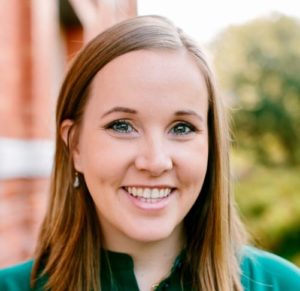
Dr. Charity Anderson is Associate Professor of Philosophy at Baylor University. Her research is in epistemology and philosophy of religion, with a focus on issues concerning fallibilism, evidence, epistemic modals, and knowledge norms. Her recent book manuscript explores the problem of divine hiddenness as a probabilistic argument. Charity lives in Waco, Texas with her husband, Matthew, and attends Christ Church Waco. She is an avid gardener and amateur oil painter.

Dr. Wong taught at various institutions prior to joining DTS. His research interests include the Trinity, Christology, and theological anthropology, especially from an analytic theological perspective. He and his wife, Sarah, have five children: Silas, Annie, Zeke, Trinity, and Asher. He serves at Woodcreek Church, Richardson, in various capacities, including teaching. Whenever he is not lecturing or grading, Dr. Wong enjoys cooking, drinking coffee, playing video games or board games with his kids, reading fantasy or spy thrillers, and training in Brazilian Jiu-Jitsu.
 Charity Anderson Kevin W. Wong Kymberli M. Cook