
Reading and the Spiritual Life
Join Kasey Olander, Kelley Mathews, and Jessica Hooten Wilson as they unpack how the books we read shape our imagination, desires, and empathy, as well as provide practical habits for making reading a life-forming spiritual practice.

The Table is a weekly podcast on topics related to God, Christianity, and cultural engagement brought to you by The Hendricks Center at Dallas Theological Seminary. The show features a variety of expert guests and is hosted by Dr. Darrell Bock, Bill Hendricks, Dr. Kymberli Cook, Kasey Olander, and Milyce Pipkin.
Timecodes
- 3:58
- Reading as Counter-Cultural
- 6:35
- How Christians Should Think about Reading
- 12:05
- Reading Books Other than the Bible
- 15:00
- How to Decide What to Read
- 19:29
- Reading as an Embodied Experience
- 21:36
- Reading Helps us Understand Ourselves
- 26:25
- Good Practices to Grow the Reading Life
- 36:58
- Closing Thoughts
Resources
- Confessions by Augustine
- Pride and Prejudice by Jane Austen
- What Kind of Woman by Kate Baer
- The Brothers Karamazov by Fyodor Dostoevsky
- The Complete Stories by Flannery O’Connor
- The Teacher of Nomad Land: A World War II Story by Daniel Nayeri
- Everything Sad is Untrue by Daniel Nayeri
- You Are What You Love: The Spiritual Power of Habit by James K.A. Smith.
- Charlotte’s Web by E.B. White
- The Scandal of Holiness: Renewing Your Imagination in the Company of Literary Saints by Jessica Hooten Wilson
- Reading for the Love of God: How to Read as a Spiritual Practice by Jessica Hooten Wilson
*As an Amazon Associate, The Hendricks Center earns from qualifying purchases.
Transcript
Kasey Olander:
Welcome to The Table Podcast, where we discuss issues of God and culture to show that relevance of theology to everyday life. I'm Kasey Olander. I'm the Web Content Specialist here at the Hendricks Center, and we really appreciate you joining us today. I'm excited for our topic because today our topic is about reading. It's one of my favorite things, and so we have two excellent guests who are here to join us. They have great expertise that they're going to share with you. So first, I'd like to introduce Dr. Kelley Matthews. She's author and editor. Kelley, thanks for being here today.
Kelley Mathews:
It's exciting.
Kasey Olander:
Yeah, this is fun. We also have Dr. Jessica Hooten Wilson. She is an author and she is Fletcher Jones Chair of Great Books at Pepperdine University. Jessica, thanks for your time in being here.
Jessica Hooten Wilson:
I only wish I was actually in the room. I'm jealous.
Kasey Olander:
We wish you were as well, but maybe one day. So I'm going to just open it up a little bit for you guys to give some background about yourselves. Before we jump in, like I said, I talked about, I love reading and have loved it from a young age, but could each of you guys share some of your background with reading? So Kelley, we'll start with you.
Kelley Mathews:
Okay. So there's a story in my family, which I don't remember happening, but this comes from my mother that apparently when you're going off to school as a kindergartner, they tell you they're going to teach you how to read when you get to school, right? Or something like that. Apparently I got off the bus the first day of kindergarten and I was crying and my mother was very concerned what happened. I'm like, "They didn't teach me how to read." Apparently I was ready, right?
Kasey Olander:
Day one.
Kelley Mathews:
I was like, let's do this. So that's where I started. I've always been a reader. It was another joke in the family is that it was really hard to punish me on those rare times when I needed to be, because what do you do? Send you into your room, right? And do what? You're going to just read books anyway. What kind of mother can take books away from our child? So she had a tough time with that. It was pretty funny. But yeah, I was the bookworm. Just always had my nose in a book. When I was eight years old, my godparents, we had like that extra Christmas when you go to your friend's house and have another ceremony. So they had package under the treat for me and it was a book. And I was like, "This is awesome." And it was Charlotte's Web.
And I remember saying, "I love this book." And all the adults were like, "Oh no, she already has it." And I was like, "No, no, this is great because it's mine. I didn't have to give it back to the library." And I didn't have a problem rereading a good book. So it's just the story of my life.
Kasey Olander:
Oh yeah, absolutely. Well, that's great. Let's circle back to that.
Kelley Mathews:
Yeah.
Kasey Olander:
Jessica, what about you?
Jessica Hooten Wilson:
It sounds like we would've been best friends, Kelley, when you were little, because that was my story too. I always loved reading. We were surrounded by books in the house. My dad actually had those, is it East Press, Eastern Press books where it was the leather copies and the gold gilded pages and he would subscribe and they would send you one great book a month. And he did this when they couldn't even make their grocery bills. So he was using part of their grocery money to get books into our house. And we'd be eating things like fried bologna with mashed potatoes, but we'd be reading a book together at the table and we'd be reading out loud. And so we really were the kind of people where it was like books matter more than food. And that was a trope in our house and that's something that we consistently had. And then I, of course, live the same way. I have more books on my nightstand than anything else.
Kasey Olander:
Yeah. Yeah. So I've seen that being valued financially in addition to with time spent. Do you guys feel like that's counter-cultural either now or even at the time? I would say maybe books over food is pretty counter-cultural. That shows extremely high value. But how do you guys feel like people nowadays just consider and think about reading?
Jessica Hooten Wilson:
Yeah. I don't think you could have told me a dozen years ago that I would have been writing books asking people to read books. I would not have planned that for my future. I was in love with them and I thought I'm going to write on C.S. Lewis. I'm going to write on Dorothy L. Sayers. I'm going to write on Dostoevsky. I'm going to write on these people and share what I love from the books themselves. And I have done that, but I've also then had to write books being like, "This is why you should be reading the books that I'm reading and talking about. And this is why the church, which is a people of the book, should continue to be a people of the book." And so it's amazing to me that it has to be an apologetic, but it's an apologetic in every setting that I go into on a regular basis, whether it's in a classroom or a church.
Kasey Olander:
Yeah. Wow.
Kelley Mathews:
I'm going to blame the internet, I think, as part, at least part of the problem.
Kasey Olander:
That's fair for a lot of problems, I think.
Kelley Mathews:
Maybe so. I just think of our attention span and even myself, I'm really good. The bigger the book, the better. That's my motto and it's not a door-stopper usually. But I've even gotten to where I have to train myself again to sit down with a longer read because it's so easy to pick up the short, snappy, pithy kinds of things you see everywhere online. And now they make them that way. So even when I've written for online providers, they're like, "Yeah, you got to keep it under certain word count. People aren't going to stick with you." So I do think that that's what maybe the last 20 yearsish has been a trend towards the shorter attention spans for reading. So, it has impacted literacy overall.
Kasey Olander:
Yeah. Absolutely. There's no instant gratification for really long books.
Kelley Mathews:
Yeah.
Kasey Olander:
Yeah.
Kelley Mathews:
I would say there is, but...
Kasey Olander:
Maybe it's not in the same way as what these two second videos.
Kelley Mathews:
No, definitely different. Yeah.
Kasey Olander:
Well, what about, you mentioned, Jessica, you said, "We're people of the book." So how is it that as Christians, we should be thinking differently about reading? Because a lot of us are like, "Well, God made us differently." And it's fine that we have different interests and stuff and maybe we won't all have as many books as Jessica currently has on her shelf and stuff, but how should we in general, I guess Christians more broadly be thinking about reading?
Jessica Hooten Wilson:
I'd say that's a truth, but also there is a vocational calling to it. So if you think about the letters of Paul and talking about the spiritual gifts, it is true that a lot of us have different spiritual gifts. And if we are all making up one body and some people are the hands and some people are the heads and the feet, et cetera, so we are all going to have different roles. At the same time, throughout Jewish culture, it didn't matter what your different gifts were because you read the scriptures aloud together. That was still part of your regular practice. So even if you're not the person that has a hundred books on your nightstand, you should be the person that has God's word on your nightstand. And so for Christians, the Lord created the world with words. I think he's trying to highlight something about what's important to him and what should be important to us.
Jesus Christ calls himself the word. So there is a little bit of a mic drop for those who love reading within the church to be able to say, "I think words are important to God, because he really does underline it quite often and say, 'This is how I'm revealing myself to you is through words.' And if we aren't paying enough attention to them or keeping ourselves well versed in them, it's going to be really difficult to hear him when he speaks to us."
Kasey Olander:
Yeah, absolutely.
Kelley Mathews:
And it will also depend on what you're reading. Scripture, obviously, books about scripture that may help us learn more, gain more insight, that kind of thing. But I mean, I'm going to also vouch for novels, fiction, stories.
Kasey Olander:
Why is that?
Kelley Mathews:
Oh, goodness. So if you're thinking of the Bible, it is written in mostly narrative form. So the Bible itself is teaching us about God through story. And when I was, again, third grade, I tore up our children's Bible because it had pictures, but it told stories. And so by sixth grade, and I grew up in a Catholic school where we had a little religion class every year, I knew all the stories. I was a pro at this Bible thing. I didn't know the New Testament very well because there weren't any great stories there. They were all letters apparently. So I was a little fudgy on that. But the whole idea of you're learning about God through the people and how they interact with God and they're good and they're bad. And that's like what we are like.
So I think we're going to learn as much about ourselves when we read novels as we are about other people or the world or the way relationships work. So we're learning whether we know it or not. We can also be entertained, we can learn history, we can learn, I don't know, sociology, like all the things, just depending on what we're reading.
Kasey Olander:
Yeah. So I've heard you highlight a couple of different things. One of them is you're like, "Okay, the Bible is stories. So the more that we read stories, the better we become at being familiar with stories." And obviously we want to be the best students of scripture and sit under it and understand God's word so that we can be transformed and live accordingly. But you're also highlighting too that it's developing these morality muscles that we're learning about ourselves. We're seeing other people in addition to being able to interact with the word of God.
Kelley Mathews:
So Jessica, I have not read all your books, but writing to encourage people to read well, I think of another author, Karen Swallow Prior, who does the same sorts of things and helping people understand how to read with wisdom. And so yeah, like what to look for, how can I approach a work of fiction and not just be entertained and then put it down and move on, but to think through what's the author trying to say here? What are some deeper truths that are the themes that are going through it, that kind of thing.
Kasey Olander:
I'm glad that you brought that up because we had Karen Swallow Prior on another episode.
Kelley Mathews:
Oh, good.
Kasey Olander:
So thank you for plugging our show.
Kelley Mathews:
Hey, hey.
Kasey Olander:
Appreciate that.
Kelley Mathews:
Mm-hmm.
Kasey Olander:
Yeah. Darrell Bock and I talked to her and that was really formative. We also have other episodes that are, we've talked about engaging with films, but there's some similar principles about like, okay, the fact that story is compelling for people, it's a different way to learn and engage with the same thing instead of just, okay, here's a list of things that you should and shouldn't do.
Kelley Mathews:
Right. Yeah. And when think of biblical narrative, we do like our Paul because he is a one, two, three kind of guy, right?
Kasey Olander:
Yeah. Nothing against that.
Kelley Mathews:
Do this, don't do that. Here we go. And so that's actually very easy. It does not take a lot of effort to say, "Yes, I know what the Bible says about X, Y, and Z," when Paul does it. But if you're going to the prophets or to the history and the early, the Torah and all the narratives, it takes more work to say, "Okay, what am I supposed to learn here?" And we like to make it about ourselves, but really it's about God. So I mean, one of the basic rules of reading narrative is what is this saying about God before we try to turn the lens back on ourselves, which we love to do, of course.
Kasey Olander:
Yeah. Skip to straight to like, "What do I do?"
Kelley Mathews:
Yes. And so no, we need to know background. We need to know history. Language sometimes comes into it, but even a casual reader can read something out of Genesis and then come away with principles that can then apply to life versus a one, two, three, do this, don't do that.
Kasey Olander:
Yeah, definitely. And Jessica, would you add anything to the, like why should Christians read? I feel like we know why we should read the Bible. Why should we read books besides the Bible and how it forms us?
Jessica Hooten Wilson:
Well, I think it's even more than, I'm not pushing back, but it's more than just trying to apply principles, which is a secondary effort to reading stories. So you read a story and then if you analyze it, you're going to draw out a principle. But a lot of times principles don't work. So Paul laments that the good I know I ought to do, I don't do, and the things that I don't want to do, those I keep on doing. And when you look at the Old Testament, those do's and don'ts is the ways of God. It's the commands of God and those 10 commandments. Instead, what Paul says is, "Follow me as I follow him." There's a story that you can live vicariously into in which your imagination is actually being cultivated and then it's changing. It is altering your desires. So what the imagination does is it teaches you what to love.
So it's not a matter of what you do or don't do or how you analyze this is right and this is wrong. This is morally good and this is morally bad. It actually changes what you want and who you want to be. So you're in these stories and you don't even have to think, you're just feeling like, "I love this. I want to be like this. I want my life to look like this." And it becomes a desire within you that actually cultivates the disposition towards those virtues. And so this is Jamie Smith's, You Are What You Love. Or I wrote about C.S. Lewis does this with the scandal of holiness. I talk about his imagination was baptized. These are the things that changed within him. So I think it's heavily about the experience of the literature itself that helps you follow Jesus because you long to be like him when you read stories of people who followed like him.
Kasey Olander:
Yeah. So how do you guide people into that way of reading if that's not something that people are accustomed to?
Jessica Hooten Wilson:
Well, Augustine says it's this like, well, he doesn't use this language, but I'm using this language. He talks about the chicken and the egg problem, that you want to be humble before you read these things. But when you read scripture, then it makes you humble and it's like, so how do you do that? But the reality is that if you practice humbly sitting beneath a text and allow the text to read you and receive from it, you will be altered and changed by it. When we instead have the posture of standing above the text and pulling from it, and we're using our own eyes as the rubric or the truth by which we see what matters or what is good or bad, we can't be changed as much because we are the ones in charge or in control of what we're taking from it.
So it's a posture of receptivity and humility in which we sit in order to actually understand, to stand under something is how you're changed and formed by it. And hopefully that process is challenging as well as exciting. But if you find that you're reading a book that doesn't ask anything of you that doesn't challenge your way of thinking or your way of seeing or your way of being, it might not be a great book.
Kasey Olander:
Well, then that leads to a great question. How do you decide what to read? Especially as we're talking about how reading forms us and how we read as believers, how do we decide what is good and what's bad, what's worth our time and what's not? Jessica, any thoughts on that?
Jessica Hooten Wilson:
Yeah, absolutely. I just didn't want to dominate because I'm sure Kelley has thoughts too. So there's multiple ways of doing this. So I think truth, goodness, and beauty is an easy rubric. That's an easy one, two, three answer, and we like some of those. So is something true? Is something good? Is something beautiful? Those are good starts. If you're reading something that is ugly, I'm sorry to tell you it's probably also not good. It may not be true. So those things are closely linked and we like to pretend that they're not, but they are. And our experience of beauty also draws out our desire to be good. I mean, when the woman actually that comes before Jesus and cleans his feet with her hair and the perfume, he uses the phrase kalos, right? The beautiful good has been done here.
And so this act of mercy is a beautiful good. So when we think about literature, what are the beautiful goods that draw us higher, that actually make us not just, like Kelley said, entertain us or pat us on the back or leave us where we are, but they evoke something. They're actually attracting us and drawing towards something. And a lot of times it's the great literature of the past, more than a lot of our literature of the current moment. I'm not against contemporary. I read a ton of contemporary lit, but you definitely have to find those authors who have been studying from and learning from the past tradition because those will be the ones who have the prophetic vision to speak towards those higher ends. I think a lot of the literature that panders to us in our current cultural moment has given into the marketplace and is not always willing to give the effort to draw you out of yourself into something higher because they can't make as much money doing that.
So there's a lot of different factors there. So truth, goodness, and beauty, something that deals with the past and speaks to the past more than just the moment and something that asks something of you.
Kasey Olander:
Yeah.
Kelley Mathews:
To that last point, when we read things that ask something of us, usually we have to read things that we might think we disagree with, whether... I mean, it's a very polarizing era that we're in on all fronts. So if we're willing to read, say, a memoir from a political figure who is on the other side, that actually is a sign of maturity, I think. It's not giving in or anything like that. And can you see both sides? Can you at least entertain and listen to someone from a different perspective, whether that's a person of a different faith or whatever. So being open to that, and that's that posture of humility of saying, "I might not have it all right here. What if I'm wrong? What if they have something?" I would say you have to assume that people have something to tell you and that there are always things that we can learn from people who disagree with us on a variety of issues.
Kasey Olander:
Right.
Kelley Mathews:
So read widely.
Kasey Olander:
Yeah. And I love that memoir example because I think that sort of thing is what helps humanize. Reading widely, I think also helps foster empathy in us that we're hearing about different experiences that we just haven't lived or haven't imagined yet or that we've never bothered to think of before. And so we're able to engage with people in a very different way, like more people than we could ever meet in person and have a sit down conversation with.
Kelley Mathews:
Yeah. And that was always part of what I enjoyed as, well, not just as a kid, but even now of reading, I'm always in somebody else's world and experiencing something in my mind, a place that I've never been. Reading historical fiction got me to go to Scotland eventually because I just fell in love with the idea of the place, so I had to go experience it, that kind of thing. So we're going to be exposed to so much more than our own little echo chamber or our own little five miles circumference of where we live when we read. And so we learn.
Kasey Olander:
Yeah. And you're making this, like tying it to this embodied experience, like that I'm sitting here reading a book, which I mean, we could probably talk about that being an embodied experience, but then you're also like traveling to go experience with all of your senses, this place that you haven't been to, but that you've read about and stuff. So in what ways is reading or is it not an embodied experience when we're sitting at home?
Jessica Hooten Wilson:
Yeah. Oh, I mean, I definitely think it is. Reading used to be oral. So people always ask me the question, "Is my audiobook reading?" Yes, it is. Because it used to be a much more sensory experience. You read aloud. So you both, you tasted the words, you heard the words, you were usually in community, but you didn't read as a silent passive activity. So we have the misunderstanding that it's not embodied because we think it's only occurring in our minds. But neurologically, they have done studies in which when people are reading about running, the brain thinks it's running. So it's this weird thing that actually happens, but it is a very embodied experience even if you are only reading silently, that there's a lot going on with the reading experience.
And I would say in a more beneficial way than screens. So people also, we talked about movies or watching movies, it actually has been proven that that is passive. You don't have the same neurological responses as you do with reading. And so you have actually a more active memory, active sensory experience, your brain thinks more is going on when you're reading so you really are taking it in versus being the passive receiver of the image. Different things are happening for you.
Kelley Mathews:
Does that apply to reading on a screen or just the imagery of a movie?
Jessica Hooten Wilson:
Image.
Kelley Mathews:
Okay. Okay, good.
Jessica Hooten Wilson:
Yeah, it's image versus word and the ways that words affect you. And if you think about it, it makes so much sense because not that I'm saying images are bad. I'm a huge art person too, but with words, there's so much nuance. You very much have to connect the literal and the figurative. Even the process is requiring interaction from you, whereas the image is both, it's just literal. That's all you get at first. You'd have to stop and think and take it. So it's a different process even.
Kasey Olander:
That's fascinating. And that's helpful to think about why is this, why does it feel different? And I think it impacts our souls in a different way too, like this being on screens or the visual kind of thing as opposed to reading the written word. How does that then... Do you guys find as authors that reading is also something that helps you to articulate yourself to have conversations with people in addition to your own writing?
Kelley Mathews:
100%. Yeah. I learn words. There's a whole new vocabulary available to us the more we read and learn how to express ourselves. So definitely. And especially as a writer, I have to be a reader to be a halfway decent writer. There's just no pulling those two apart. It just doesn't work.
Kasey Olander:
Yeah.
Kelley Mathews:
Yeah. Words are critical.
Jessica Hooten Wilson:
Yeah. Frederick Douglass, when he was learning to read up in the attic and he was reading Cicero and Milton and all the things that he was digesting and learning, and he said, "I didn't know how to name the feelings or the thoughts I was having until I was reading them through these other words." And those words then made him aware of his own emotions and ideas. And so a lot of times we do, we need the vocabulary to articulate that and to be able to... Even sometimes, I think so many of us have a very small emotional IQ. There's only so much that we can tell you about how we're feeling, but the more that you read, the more that you're like, "No, there's a lot of nuance to what I'm feeling. There's a lot that I'm experiencing."
And I think it removes some of that anxiety or loneliness or some of those feelings that we are aware of, but we don't always process or speak aloud. And when you get to see them in books or see other people experiencing them, you become more aware even of yourself. It's like a beautiful mirror to reflect on your own life experience.
Kelley Mathews:
Yeah. And to that end, I think of characters, favorite characters in books that I identify with or that I really appreciate because they're so different from me and then you don't feel alone. You're like, "Oh, I'm not the only one. I might be the weird one in my group, but really, really I'm not because somebody has put this person together."
Kasey Olander:
Yeah. And how sane you feel when you're like, "Oh, finally, someone has put words to this. I didn't even realize that I felt this way or I didn't realize that I wasn't the only one having this, navigating this or having this feeling." And yeah.
Jessica Hooten Wilson:
Or showing you something about yourself that you didn't want to see. I've talked to-
Kelley Mathews:
There's always that.
Kasey Olander:
Bummer.
Jessica Hooten Wilson:
... way too many years and students, they'll see these characters and they do not want to be that character. And then by the end of the story, there's some turn that happens in the story in which a student, I've had a student literally burst into tears in class and be like, "I am that person. I didn't want to be that person. That's me. What do I do? I don't want to stay like that. I don't want to be like that anymore." And it's just like this Flannery O'Connor said, "Sometimes novelists just have to show the devil we are possessed by." And that very moment of reflecting the devil in the literature, the person you don't want to be sometimes is its own exorcism.
So yes, we don't want to be alone and we want to see people like us and relate to us and not feel like we're by ourselves. And other times we need someone to show us what we look like because we weren't able to see it until we read another piece of literature.
Kasey Olander:
And how powerful that is that she got to come to that, I don't want to say on her own because it was by engaging with a work of literature, but the fact that it wasn't someone sat her down and had a good talking to or with her, but it sounds like it was deep conviction that she was bursting into tears and realizing, "I don't want to be this way."
Kelley Mathews:
Yeah.
Jessica Hooten Wilson:
Yeah. Yeah.
Kelley Mathews:
That's where it's just revelatory in a different way than scripture is. But obviously scripture does that to us as well. But yeah, I mean, good books will teach us a lot about who we are.
Kasey Olander:
Right. And you mentioned, Jessica, at the beginning, a sense of humility, that that takes humility also to have that realization to even go so far as entertaining, wait, is this me? Oh, no. And then to feel that conviction that propels somebody to, I don't know, whatever action follows.
Kelley Mathews:
Yeah.
Kasey Olander:
So how else does reading form us in addition to the ways that we've talked about? We talked about a little bit about empathy. We've talked about it being an embodied experience and showing us that we're not alone and showing us that we need to get it together sometimes. Jessica, do you have any thoughts?
Jessica Hooten Wilson:
Did we cover... Well, I feel like we've really gone through a whole bunch.
Kasey Olander:
I know. Yeah. That's perfect.
Kelley Mathews:
Pretty well-rounded.
Jessica Hooten Wilson:
At this point, somebody is like, "What books do I pick up? I need to do this." Because I mean, it should be part of the reading life and how does it become part of your reading life when there is the tyranny of the screen, I think becomes the bigger question because you may be completely convicted, like we just mentioned with Paul earlier. Yes. Okay, I get that. So reading needs to happen so that I'm not alone and so that I see myself in others and it changes my desires and changes my heart, but I have a cell phone, I have four children, I have a job. How do I make reading part of my life in any intentional way when I have so many other things to do and I don't know how to do it?
Kasey Olander:
Yeah. What are the practices? I know. I feel like you just raised the question. Do you also have answers like recommended suggestions for how people can carve out this time and make it a priority if they have seen a value?
Jessica Hooten Wilson:
I do, but I think with, and I will, and I'll give suggestions, I will say that the minute you start small, you'll start building. So you can take very tiny practices and if you just don't make it an overall goal to do all of them.
Kasey Olander:
Sure.
Jessica Hooten Wilson:
Don't try to do every single one, just start having the habit. And like I said, I truly believe that the literature will start creating the desire in you and you won't be able to put certain books down and then you'll find yourself carving out more and more time and suddenly you can't live without it. It's like working out. When you first start working out and you're lifting those five pounds and you're like, "This is the most worthless activity. lifting weights, its five pounds. I don't know what I'm doing with my life." But then as you start getting stronger, you're like, "Oh, I can lift 10, I can lift 15." And then the days you don't work out, you're like, "Oh, I need it. I long for it. I want it." So what begins as a chore or a duty, if you actually take that duty or responsibility seriously, you'll find yourself actually building to the point that you can't do without it. I think reading needs to be that kind of habit.
So for us in the car, we listen to books on tape. Sometimes the kids complain because they want music, but we do a lot of books on tape. We invest in stories as a family. We read every single night together as a family before we go to bed. It's Advent right now, so it's Advent devotionals, but a lot of times it's stories more than anything else. But we do take different seasons of the church here and change that up a little bit. I read even if I'm exhausted. I was exhausted last night. We even had a Zoom meeting because we're starting another classical school. And so there was a Zoom meeting till 10:30 and I was beyond tired and I read at least a page a night no matter what. I read a few lines.
I read something so that my mind is just, it's a release, it's a let go. I read every single evening. So I have a pile next to my bed of just something that I can taste and enjoy and just think about words before I sleep. And then every single morning I read the Bible and that is either reading itself or it's audible because sometimes life happens and somebody's got to read Acts to me over my teeth-brushing and that's just going to be the reality. But I think you do have to have all just the small habits that start adding up to a life of reading.
Kasey Olander:
So somebody who's not read a book in 20 years is not going to be like, "Maybe I'll read a hundred books this year."
Kelley Mathews:
Yeah. Then you'll never start.
Kasey Olander:
Yeah.
Kelley Mathews:
Yeah. Same idea, what Jessica's saying about just start small. And it doesn't have to be a book, I don't think. It can be an article or a poem. If you have a book of poems or short devotionals committing to... I'm like you, I have I have to read every night. It doesn't matter what time. And so that is the same sort of thing for me as, okay, now it's time to go to sleep, that kind of thing.
But there was one lint years ago when I turned off my radio, this was my little thing to do for my spiritual growth, and I listened to the Bible. At that point it was on CD in the car. And so I don't even know how much of the Bible I got through, but I had a nice 45 minutes to an hour commute at that point. So I got a lot in. And so just hearing words read over you, sometimes that... We like to say, does that count? I'm in a book club and people ask all the time, "Does audio books count?" Yes, they do. Yes. So just having that commitment to pick something. It doesn't matter how long or short it is, just start.
Kasey Olander:
This may be too tough of a question then, but can each of you recommend one book for our listener to start with? If it's like picking a favorite child, you can name a few. It's fine. But-
Jessica Hooten Wilson:
Well, I wouldn't. So I really believe in the particularity because picking books is like picking friends. And so I can't say that absolutely everyone is going to enjoy the same friends. They're just not. I do believe there are also saints of the church. And so there are certain books that everyone should read as Christians. That's Augustine's Confessions, Dostoevsky's Brother Karamazov, Flannery O'Connor Short Stories. Those are stories that even if you don't like them, there's some edification there that the church has received for years and years and years that is going to be good for you too. It just will be. But it might be like taking medicine rather than hanging out with your bestie. And so it doesn't mean that it doesn't have a role to play, but I'm not going to say every book is going to be a lifeline. If you are just starting out, your friends or people near you are going to be the best source of recommendation for choosing something for you that you start enjoying the taste of and love that gets you into the habit of reading.
I would say one small book for women that I just love is What Kind of Woman. It's a small poetry collection. So it gives you just that small taste. It's by Kate Baer. It is just the most beautiful. It's not esoteric poetry. It's not like learning romantic poetry in classrooms. I mean, it is the kind of poetry where you're like, "This is my lifeline. This reminds me why I like reading. I'm going to read these again and again and again. I'm going to have them memorized because I'm going to read this book like five times." So I would recommend that one, I guess to start with.
Kelley Mathews:
That's great.
Kasey Olander:
Yeah.
Kelley Mathews:
That's helpful.
Kasey Olander:
What about you Kelley?
Kelley Mathews:
I'm going to have to default because you're right, you can't just pick one. So in that sense, what sorts of books do you like? So think through, and this is where your friends can come in or your mother or someone who knows you really, really well to say, "You always talk about history. Hey, let's look through some history books." Or, "You're always interested in needle craft." Or like something that aligns with your interests that you would be motivated to actually pick up. And so I think that just making it easy on yourself is really going to be the first step. So if you're thinking stories and fiction, there's so many classics that are out there.
There were several years, I wish I could say it was every year, but it's been a few where I committed to reading Pride and Prejudice every summer or any Jane Austin really, just to keep those fresh because I was in my post seminary. I'm not going to read anything worthwhile because I'm so tired of big books for a few years. So I was like, "Well, at least I'm going to read a quality classic." And so Pride and Prejudice was the one. But anything that tells good stories, you're just going to get pulled into. So yeah, I can't give you a book. I'm going to have to go find the one you just recommended now.
Jessica Hooten Wilson:
Yeah, the poetry book?
Kelley Mathews:
Yeah.
Jessica Hooten Wilson:
Well, and I'm going to double down on what you just said because reading one book again and again every summer and having that time, I think that is crucial. There used to not be so many books in the world. So this idea that we have to read a new book all the time, I think is troubling because what ends up happening is you have very little time for reading and you try a new book and it's not great. And then you get frustrated that you tried and you don't have time for this. And you really could just every summer say, "I'm going to read this again." And you're going to know that book by heart. So make sure it's a really good book. But that's a great thing to do to pick something up again, again. When I was dissertating, I did YA. I read a ton of YA literature.
It was freeing. It was adventure. It was exciting. I didn't have to think about it. I didn't have to turn it into a book review. I just could freely read it and enjoy the stories. And now that I have four children, I read so much YA and that is my freedom zone. Daniel Nayeri, who wrote Everything Sad is Untrue, which is a phenomenal memoir. Beth Moore recommended it, Russell Moore recommended it, but he just won the National Book Award for his recent YA novel, The Teacher of Nomadland, which is a World War II story. And I can highly rave about that one. So if you want a small YA novel that you know is going to be good, that I would start there. But Everything Sad is Untrue is also really good. I've read that five times now, talk about repeating books. That's a really good book.
Kasey Olander:
That is really helpful. And then that's too, what we want to do with the scriptures. We're reading it repetitively. It's not like, "Well, I read the Bible once. I'm good to go."
Kelley Mathews:
And no.
Jessica Hooten Wilson:
Yeah.
Kasey Olander:
Yeah.
Kelley Mathews:
That's not how it works.
Kasey Olander:
Right.
Jessica Hooten Wilson:
Well, if I could add one thing to that, we were talking about formation. So the books that you read become the chorus that you live by. They become the refrains in your head. And if right now the only refrain in your head is, look at this stuff, isn't it neat? Wouldn't you think my collection's complete? I mean, is that really what we want to be able to recite when we die? So if instead you are replacing that with a vocabulary that you can actually live by, you'll find yourself in conversations with friends and you don't know how to speak to them and the spirit can just pull on those words because you've planted them there and he has access to them and he will give them to your friend in a way that is fresh and exciting for her and good for her in a way that maybe you couldn't have had you not filled your soul with a certain kind of chorus and song and words that you needed to give her at those times.
So another way that you want to keep reading these books again and again is to be able to have those rich resources by which the spirit can speak to those around you.
Kasey Olander:
Yeah. And then, gosh, I think it's probably, I don't know if freeing is the word I want to use, but I guess so. A sense of reliability and having a wealth of things like that to draw from, either for ourselves and for other people as we're walking alongside them and caring for them as all of us want to walk with Jesus. So I want to give you guys each a chance to say a closing thought if you want to, to our listener.
Kelley Mathews:
Goodness. I don't know what my life would be like without books. My mother always, well, she joked a few years ago, "Leave it to you to get paid to read." When I became a reviewer. And I was like, "Well, I don't get paid much, but yes, right?"
Jessica Hooten Wilson:
Yeah.
Kelley Mathews:
So books, they're not just an entry into another world. They teach us about ourselves, but they also can be like a friend, right? So don't be afraid to pick up a new book, a different kind of book. If you're a longtime reader and you're just amening everything we're saying, try something different. So be challengeable.
Kasey Olander:
Yeah.
Jessica Hooten Wilson:
Yeah. It's Advent. So Mary comes to mind first as the one who treasured and pondered all these things in her heart. And you think about the song that Mary was able to speak prophetically in Luke 1, right? The Magnificat. And what is that, but a compilation of all the songs she heard her whole life, the song of Deborah, the song of Hannah, the song of Miriam. And so she was really filled with all those songs so that her soul actually could magnify the Lord. She could praise the Lord with the songs that she knew.
So I would just highly recommend that if you want to be following Jesus and worshiping him the way that you desire to be, which I know the people listening to this are likely those who really desire to follow him, books are not an elitist exercise. They're not something that just the smart people do. They are giving you the words by which you can praise your Lord and live out the praises of the Lord and how you read those things. So that's what I would end with is you're chasing after him, you're doing the right thing by reading as a way of doing that.
Kelley Mathews:
Yeah. And one last thing on that note, you just pulled out the idea of community. These other writers, they're giving words to scripture and we are learning from them. So books are just like, and the authors who wrote them become that greater community, especially if these are spiritually enriching books, these are your brothers and sisters in Christ over the centuries who are informing your own spiritual maturity.
Kasey Olander:
What a gift that is. Also, it's funny you brought up Mary. Isn't that your dissertation?
Kelley Mathews:
It is.
Kasey Olander:
Yeah. I was like, it's almost like Jessica knew.
Kelley Mathews:
That's so fun. I love it. I was like, ooh, Magnificat.
Kasey Olander:
That's so good. Well, where can our listener hear from you guys if they want to read more of your words? Jessica, how about you?
Jessica Hooten Wilson:
Sure. I'm on most social media platforms. I'm pretty active on Substack. I have a monthly Substack that I enjoy sharing what I'm reading and the different books that I'm in. So if you're wanting a greater reading list, that's where I'm at. And then of course I've written a lot of books on reading.
Kasey Olander:
Perfect. Kelley, what about you?
Kelley Mathews:
Also on Substack and the various social threads and all of that. But Substack, I publish at least once a week, sometimes a little more. And for the last year, it's been all about Mary and women in the Bible and things that relate at least somewhat to my dissertation because that's fresh, but it'll be expanding on that. So yeah, Substack's the way to go.
Kasey Olander:
Perfect. Well, we've covered so much ground today. We've talked about how reading forms us as Christians, how we should look at reading books besides scripture. Obviously we love scripture, but what impact that has on us as we're formed, as we see ourselves as not lonely, but in community, but also as we're convicted by the spirit and how we should live, how we should have empathy towards one another and how our world is just bigger when we're able to read. So Jessica and Kelley, thank you guys so much for your time today. I really appreciate it.
Kelley Mathews:
Thanks for asking.
Jessica Hooten Wilson:
Absolutely.
Kasey Olander:
Yeah. We also want to thank you for listening. If you like our show, go ahead and leave us a rating or review on your favorite podcast app. It's a great way to help support the show and help other people discover us. And so we hope that you'll join us next time when we discuss issues of God and culture to show the relevance of theology to everyday life.
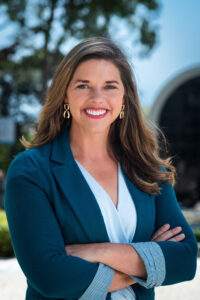

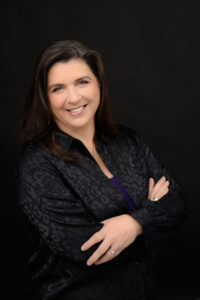 Jessica Hooten Wilson Kasey Olander Kelley M. Mathews