
The Prescription for Redemption in Addiction (Plenary Session 4)
Lance Canter • Michelle Knapp • Tony Hassaballa

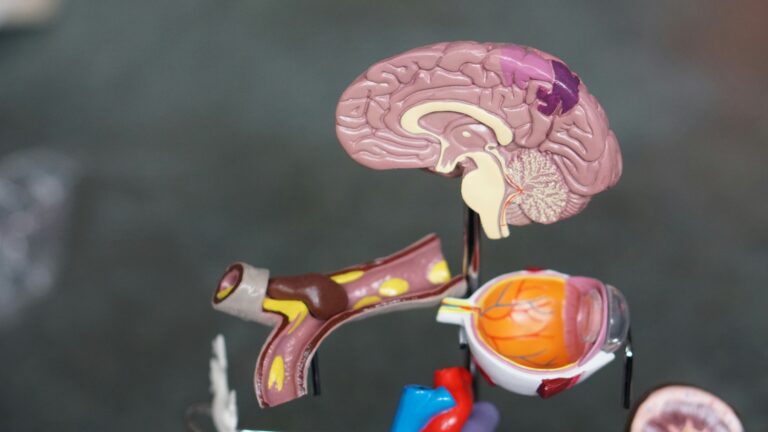
Addiction may rightly be called a disease of aberrant learning. Many of the processes that enable the human brain to adapt and learn are the same processes which are most implicated in the development and continuance of addiction. This presentation focuses on synaptic plasticity, which is the cellular correlate of learning and memory. Through overviews of the mechanisms undergirding synaptic plasticity and the influence of neuromodulation on learning and memory, we discuss how behaviors and substances can hardwire addictive behaviors into the brain at the molecular, synaptic, cellular, and circuit levels. We then consider the role of sin, universal and personal, in the development of addiction disorders. To synthesize a theologically robust vision of physicality, sin, and addiction, particular attention is paid to cases of genetic predisposition to addiction and addictions that arise as the result of another’s actions. We conclude the presentation with a consideration of how, in light of the brain changes that occur in addiction, those who minister to addicts and their loved ones can point them to the hope of the Spirit’s present ministry and the future Resurrection.