

Playing to the Strengths of Our Senior Saints
How can the local church better serve and utilize the strengths of its senior members? In this episode, Bill Hendricks sits down with Hal Habecker to discuss a biblical view of aging, the critical need for multigenerational community, and how older adults can continue to discover their God-given purpose in their later decades.

The Table is a weekly podcast on topics related to God, Christianity, and cultural engagement brought to you by The Hendricks Center at Dallas Theological Seminary. The show features a variety of expert guests and is hosted by Dr. Darrell Bock, Bill Hendricks, Dr. Kymberli Cook, Kasey Olander, and Milyce Pipkin.
Timecodes
- 3:21
- The Generational Gap
- 5:04
- Finding and Embracing Purpose in Aging
- 19:01
- How the Church Can Build a Multi-Generational Mindset
- 36:16
- Discovering your Giftedness through Story
- 35:33
- Practical Steps for the Church to Foster Intergenerational Relationships
- 37:59
- Balancing Church and Family
- 42:31
- Finishing Well
Resources
J.I. Packer: Finishing Our Course with Joy: Guidance from God for Engaging with Our Aging*
*As an Amazon Associate, Dallas Theological Seminary earns from qualifying purchases
Transcript
Bill Hendricks
Hello, I'm Bill Hendricks, the executive director for Christian leadership at the Hendricks Center, and I want to welcome you to The Table Podcast, where, as we say, we discuss issues of God and culture. In American culture, increasingly, and this has been going on, really, my whole life, there's an emphasis on youth and the young and the and the early stages of life, which, it can't help but imply that as you get older, you're basically becoming irrelevant. The Bible, however, takes a much, much different view of aging, and one of my favorite passages, particularly the older I get, is from Psalm 71 where the psalmist says, “Oh God, you've taught me from my youth, and I still declare your wondrous deeds, and even when I'm old and gray, oh God, do not forsake me until I declare your strength to this generation and your power to all who are to come.” What a vision for a person who's advancing in years to have. May I declare your strength to this generation and your power to all who are to come. And that vision kind of confronts the church, it seems to me, with a question: how do we play to the strengths of our seniors? The psalmist talks about his strengths or the Lord's strength to this generation, not something you expect from an older person, but he gives the impression his best days are yet ahead. How does the church help that happen? And I can't think of anybody that we could have today to talk with us about that than my longtime friend, Hal Habecker. Dr Hal Habecker, who, gosh, I think I've known you since seminary, or, you know-
Hal Habecker
Goes way back, Bill.
Bill Hendricks
Way back. And Hal is the founder of Finishing Well, a ministry based in Dallas. Hal, you were in the pastorate for, I think, about two decades or more. And you were a bunch of years, 14 years with the Christian Medical and Dental Association. DTS grad also got your, I guess, your doctoral degree from Denver. Welcome to The Table podcast.
Hal Habecker
It's an honor to be here with you, Bill. I think back of all the years I've been associated with DTS and you and your family, and it's really special to sit across from you and do this together. We're both growing older and realizing God's purposes for us in our last decades.
Bill Hendricks
And you're listening, and you may think, Well, I'm not old, so does this program really pertain to me? Well, it certainly does, if only because we're all going to get old, all of us, we just don't know what it's going to look like until we get there. As well, all of us have older folks that we're dealing with, in many cases, parents that are getting older, and grandparents, and we just need to be aware of a lot of factors that are going into helping them finish well, as we would put it, which is your ministry.
Hal Habecker
And you know, when you talk about that, I think of it this way: how the Old Testament community and the New Testament community lived. They didn't live apart from their parents, grandparents, or great-grandparents. They were all there together. And in our highly mobile world today, everybody is separated.
Bill Hendricks
All segmented.
Hal Habecker
And churches are often silos, and young people never intersect with the older generations of the church. But that's not the way God calls us to live.
Bill Hendricks
Now tell us more about that. How did you come to that conclusion?
Hal Habecker
Well, I think you all, we all grow up in our own world, and you know, the world today, the culture and one of the things I just hate it with a passion. It's all about the self. It's all about me. It's all about being authentic. And the emphasis everywhere is on the individual. But in the biblical community, it was never that way the early church, it was us as we age. And so I think middle age people in their 40s, 30s grew up with people in their 70s and 80s. You know, Moses takes leadership in Israel at age 80. I mean, we were all together, and I want to say what happened. I mean, I can explain. I think we know what happened. But how do we get back together? And how do older people rekindle their sense of vision and purpose that God has for them, and we have it together, just like the psalm you read, Psalm 71 we have a purpose in younger people. Younger people have a purpose in our lives. And that's what really the family is all about. And those are the kinds of things that I'm passionate about, that the church needs to be passionate about.
Bill Hendricks
Well, just to emphasize and highlight what you just said, if the church is going to help, as we say, play to the strengths of the seniors, we've got to do something that is somewhat counter-cultural. In other words, we've got to move in the other direction from the cultural which segments people out and instead bring generations together.
Hal Habecker
It really is true and just a simple basic. If that's our beginning point, the church needs to begin paying more attention to seniors. I mean, people who are in from 60 that say to 100. You know, the world says you're retired, you're finished. The past is the past, and it's over. The best is over. Yeah. But that's not true, and Boomers are realizing that, and the church needs to wake up, and leadership in the church needs to capture the vision and the value of old, older people. And when I say older, I'm talking about 60 on up, basically. And when we talk about these issues, Bill, the first thing people say is younger people need to hear this vision.
Bill Hendricks
Yeah, well, everybody is getting older. The average life expectancy now in the United States is 79 years of age, and about a quarter of people will live into their 90s, I'm sorry, into their 80s. And the population of 90s is expected to quadruple in by 2050. So we've got this large senior population growing, and that poses, it seems to me, both an opportunity and a challenge to the church.
Hal Habecker
I think that challenge is very clear; how readily we step up and embrace that challenge is part of my mission in our ministry, Finishing Well. I find it that most leadership in the church still focuses on younger generations, to the church's detriment, because I believe and the Scriptures teach older people have tremendous value in community life. I mean, what's the value of aging people? Now you could talk about some practical things. Older people today, and the boomer generation has the largest concentration of wealth that any generation has ever had in history.
Bill Hendricks
Right there, it's from a practical standpoint.
Hal Habecker
But that's materialistic. But I think about all those people and the experiences they have, and how do you tap into that as a church? I think of Acts 2:17 where Peter, quoting Joel, says, " Your young men will see visions, and your old men will dream dreams." I like to ask senior leadership at the church, when's the last time you've sat with older people and listened to their dreams for the church. You know? And how do you create that multi generational exchange in the context of a church where older people are really sitting in the mix of people in their 30s, 40s, and they're doing life together?
Bill Hendricks
Well, that together is a big piece of it. So you don't get- I mean, I've seen some churches where everybody in leadership is north of 60, 70, and the younger up and coming folks feel like they don't understand our world, and it feels like we're in an old folk home, and then vice versa.
Hal Habecker
So, how do you, how do you bring those people together? And just a couple quick thoughts, and we can go back and forth on this. I think one of the first things is you pay attention to older people and say, God has a purpose for you that's as brilliant at your age now, at 80, 90, 95, 75, than at any point in your life.
Bill Hendricks
Well, purpose is the operative word, because I think there's sort of a cultural mindset, as you've alluded to, that your purpose happens when you're kind of in the prime, and at some point you've kind of done that, and now it's, it's over. And now you retire, which means, in polite terms, we put you out to pasture. You go on cruises, if you can afford them, you play golf, you play bridge. I mean, you basically sit around and purpose, it seems to me, lies at the heart of what you're talking about. Obviously, seniors have physical challenges, or, increasingly, yes, their hearing starts to go, or their sight starts to go. They're a little slower on being able to move around. They may get some physical things going. And yet, despite those challenges, there's still a purpose for why God has them here.
Hal Habecker
You know, J.I Packer, in his little book, finishing our course with joy, says there's three delineations as you age. There are the fast goes, the slow goes, and the no goes, but they're all in this range and but life happens so fast, and you move from one to the other before you really realize you're in the next one. And the idea is, well, we need to think now about what God has for us, and we resist the cultural idea of retirement. I mean, retirement really came into the world in Germany in 1885, in the US in 1935 you know, to help people have a little extra money, you know, through social security in their older age, when they can't work. But the idea is, your best is behind you, and we want to help you live the rest of your years. But spiritually, that's not true, right? I mean, I would argue, and you would, too, that God has as many purposes for you, to glorify Him in your life, to be filled with the Spirit, to use your gifts in your 70, 80, 90, absolutely. And they may change a little bit, our speed and life may change, but our purpose doesn't you know, it's Psalm 118:24 this is the day, this is the year the Lord has made. Let us live it well for him and His glory
Bill Hendricks
Well, and I love in Acts, I think it's 17, Paul is speaking to a group of Jewish leaders, and he's reminding them of their history, and he gets to David, and he says, "And David, when he had fulfilled the purposes of God, God took him." And I take from that, that every day we're here, we have a purpose. Now we may not quite understand what that purpose is all the time. I mean, you know somebody who's had a stroke and can't communicate and is just lying in a bed. And you think, "Well, what's their purpose?" I don't have a full answer to that, all I know is God still has them here for a reason. But once we fulfill that purpose, he takes us home. But I think that, being the case, we need to be looking for what's my purpose today? And God woke me up this morning with whatever condition I'm in physically, but spiritually, he's got some reason that I have an opportunity to manifest His glory and do his purpose in this world.
Hal Habecker
I couldn't embrace that any further Bill, and it's a relational purpose. I mean, what does God want to do in my life to encourage others. What does he want to do in my life to grow my walk with him, and I think that's one of the great values of older years. In fact, I love what Dallas Seminary is doing online, where older people are getting more involved with their learning process, studying the scriptures, communicating that to others in their lives, and so your purpose only is amplified more and more in your latter years.
Bill Hendricks
It really is. So as you work with older folks, and I want to come back to how the churches can help in this, but you've got a senior citizen here, then they say, Well, boy, I just, I don't know that I know my purpose at this age. How do I find it? What would you say?
Hal Habecker
I'd send them to you. Bill, in fact, I'd pick your brain, because you're helping people to discover their purpose.
Bill Hendricks
Yeah, through their giftedness,
Hal Habecker
Yes, but just some simple things, you know, what is it that you're good at? What is it that you have done in your life? I mean, what is it you're passionate about? Where are your passions? What are your spiritual gifts? What would other people say about that? I mean, I love to encourage older people in a group like, say, a Bible study or whatever, talk about purpose for an evening. You know, talk to the other person say," here's what I think you're good at. Here's what I think you ought to do." I mean, we open up your lives. If you're struggling or saying, "I want some help in finding my purpose." I, you know, when, when I left the pastorate Bill, I had a discovery process with my wife and my three adult kids. You know, what do you think your dad's good at? What would you like to see me do? What do you think my purpose is? What do you think my gifts are, spiritually and natural? So I think that's you start at those kinds of questions.
Bill Hendricks
So that's not so much that they're telling you what to do. They're mirroring back what they've seen you doing, by virtue of how God has made you.
Hal Habecker
Yes, and that's, it's obvious I think. I mean, we watch our kids grow up, and we see what did God build into my kids lives, and I watched that. And 22:6 Proverbs, you know, when you're old, you won't depart from that. Parents ought to try and help kids discover that, and we ought to help each other keep discovering that. And I do think it changes. You know, generally, you'd say our purpose is to glorify God. But how do you do that? You know, who do you talk to? What kind of relationships, how much time do you spend playing golf or exercising? Those are important things, but what is the Spirit of God wanting to do?
Bill Hendricks
Yeah, well, and one thing. Thing to throw in here that often enters the equation. Somebody's been doing a certain thing their whole life. They've been a banker, or they've been a salesperson, or they've been a teacher or a health worker, or they've been a mom, you know, at home with kids, and then the kids left a home, and then they were with grandkids and, you know, and there's a tendency in that to think that one's giftedness, or one's strengths are in the job that they've been doing, and the giftedness is not in the occupation. It's in the person, like whatever occupation you've been doing, you've been using something that God put in you, that you were born to do so, one person is to solve problems. Somebody else, it's to meet challenges. Somebody else is to understand something at a very deep level. I mean, there's different ways that people will live into their occupation, but when that occupation is over, they're still the same person with the same gifts, and strengths, now we have to find a way to deploy those in new ways.
Hal Habecker
God may be wanting you to do something new that you've never done before. You really haven't had the freedom to do that because you had a task in your occupation. So now you're in a retirement season, you don't do that. So where is God taking you? And I go to Moses. I mean, he's a classic example. God used all of his skills that he learned in the world of Egypt growing up, and then he refined those for 40 years in the desert as he thought about that and then God used them all in leading the children of Israel. I think that's what he wants to do with each one of us.
Bill Hendricks
He had like, three different careers. Well, you know, I had a guy in his 80s come to me once and say, "Bill, I'm bored to tears. I was in the insurance business my whole career, and I just now I'm retired, and I'm just bored out of my mind. I've got to find a purpose." And so we kind of go back in his history, and we find out that, yeah, he had an insurance agency, but the thing that brought him great joy, but most importantly was a contribution, was that he would find younger leaders coming into his agency and into the industry, and he'd just spend time coaching them. And he told me about literally scores of leaders in that industry that he had helped mentor and, you know, get started in their careers. I said, "Well, it sounds to me like you love coaching, and why don't you keep doing that? You may not get paid, you know, out of an insurance agency, but you got plenty of time, and you got plenty of money, and you've got plenty of people out here who are looking for some guidance in how am I going to manage in life as an adult, you've got so much wisdom to offer them," and that's what he did, and he loved it.
Hal Habecker
You and I were at a funeral together, a memorial service two weeks ago of a guy who died in his early 90s. He's a good friend, and his greatest contribution was in his last decade, where he just loved people and he mentored them.
Bill Hendricks
Yeah, it was that great. It was incredible to see people do that. I had a I have another friend who passed away, and he had taken out deer leases way out, six hours from Dallas and invited fathers to bring their sons out to the deer lease. It was a man kind of thing. And they taught him gun safety and different, you know, hunting skills and so forth and camping and so forth. But what he really knew was that in the four to six hours that they were going to drive out, their father and son were going to have to talk, and then on the way back, they were going to have to have to talk about the experience. And at his memorial service, I had so many young men come up to me with tears in their eyes saying, "I thank God for that guy, because he helped me not only form a relationship with my father, but through that, he helped me become a man."
Hal Habecker
It's awesome. I think you're doing what God wired you to do when you do those kinds of things. But here's my question. Goes back to where we started. What can the church do to facilitate these kinds of gatherings? Because, you know, churches are, for the most part, silos, in many respects. The kids here, the teenagers here, young adults here, marriage issues here, you know, whatever. But you say, what are we doing for the older folks, and where can the church learn from them? And how does the church build a multi-generational mindset so that this kind of mentoring experience with older and middle, aged and younger people happens as a process of church leadership and generating models where generations come together, and older people find themselves in the mix. Now, a local church just sent me a picture. I thought it was good. There are two real, real elderly people sitting in the back pew, and they're raising their hands in worship. Up front in the picture, they're all teenagers and young people standing, celebrating, worshiping. And of course, the picture was meant to communicate the fact that older people can worship. Well, my question was, what can we do to put those older people right in the mix of those younger people so they're learning and encouraging younger people, and younger people are leaning into their lives and encouraging them. That's the kind of thing I'm after.
Bill Hendricks
Well, I think the word hospitality certainly starts to factor in here, because I find that when you put people together in sort of, I'll call, I hate to use words social settings, because it makes the church sound like it's a social club. But hospitality does have this idea of making a space and welcoming people. And, you know, it could be a dinner, it could be a lunch, it could be just a, you know, a time together with some food. But the point is, the older and the younger are mingled together, like we're finding out a little bit about who these older folks are, and vice versa. And we're not siloed off. We find intentional ways to bring groups together, and maybe there's some games, or there's some storytelling or, or there's some music and singing and, and the older folks are going to learn some new things, and the younger folks are going to learn some old things. And you know it, I think there's a lot of room for creativity there.
Hal Habecker
There is, but you mentioned that we have to be intentional about wanting to do something different, because we, if left to ourselves, we always gravitate to ourselves, right?
Bill Hendricks
You know, it's interesting how I've been doing some I guess you'd call it research, certainly study in the early church, meaning from the upper room to the time of Constantine about three or four hundred years there, as the church was growing from 120 scared people in the upper room to at the time Constantine converted, it was estimated that 12% of the Roman population was Christians. And the question is, how did that happen? And that's an interesting that's another Table Podcast, but one of the things that surfaced in that study was the early church initially had this big problem with widows, because, you know, women were Christians, and then their husbands die, and now they need support, and so the church has taken them on and providing for them and in a way, the church put expectations on those provisions, and the expectation was, okay, you're a widow now you're older, your job is to sit at home and to spin wool for the poor and to pray for the church, and especially the donors to the church. Well, that's all well and good, but the widows didn't quite cooperate with that plan. They went around other people's homes, both Christians and non-Christians, and they did what older women often do, they talked, and they engaged these people in conversation. And many times those conversations ended up in evangelistic conversations, and people were coming to faith. And then, of course, some of those people they were talking to were younger women, and now they're sort of mentoring them and giving them input and helping them take the reins of leadership and so forth. And of course, they were ministering to the sick and and and praying. But the point is, it became such that they actually, in many of these churches, created what was called the Order of the Widows, which was almost like a deacon or an elder. It's almost like an office. And in some churches the widows, they had different seating arrangements. Then the widows would sit right up front, near the clergy, to show that, wow, the these are older people that we confer honor on, and they have a real worth and value to the ministry of the church given their capabilities. I think that's just awesome.
Hal Habecker
I do too. You know, part of the success of the church in this area is paying attention to what's out there. What are the needs. You know, if you did an assessment of people in their 70s and 80s in your church, or even in your 90s, and simply did a personal assessment, What needs do you have, and how could we meet them, all of a sudden, like the widows and younger women in the church in the early times. I mean, that's true today, and if you did a study of your church and what the needs really are, I mean, you develop a group of people like they did in Acts 6, take care of widows and those things. So is the church waking up to the needs that older, retired, aging people have? Like Packer says, The fast goes, the slow go. Well, what are the resources they need, and how can we mobilize our church to meet those?
Bill Hendricks
And sometimes those needs are attached to strengths. In other words, an elderly person says, " What I really need is to do something.” I feel useless. Well, what do we got around here that this person could do, and what are their strengths? That assessment that takes into account what do you do? Here's somebody who spent their whole career in the finance and accounting field. Okay, you think they know something about money. And meanwhile, over here, you've got young families starting out, and they didn't have any role models by which to create a budget to think through financial realities. What a golden opportunity to put this person with their knowledge together with this young couple and help them demystify this whole thing called money.
Hal Habecker
What about a church instituting a kind of a movement like that in your church, to help every younger family grapple with financial needs, how to manage them, how to plan for them, how to anticipate that. You know, you and I both work with a lot of leaders across the church, business, wherever. A lot of retired leaders retire in the church, and the church doesn't want to put them to work anywhere, partly because younger leaders in the church, younger pastors are maybe threatened by older people, but yet they're sitting there saying, you know, I have all these skills, and nobody wants to use me, and they sit there feeling alienated and lonely, which I think captures the idea of older people when you retire, do you feel as needed and as necessary in the body of Christ in your local church, as you did when you were in the prime of your life, in a sense, where everybody wanted to talk to you, everybody felt you were the most valuable person. But then you retire and you just kind of silently slip away, which is what is happening to the older generation in the church today.
Bill Hendricks
Yeah, I think you were telling me about an article you'd read recently that says that the seniors, many seniors, are actually leaving churches. They're part of that de-churching of America.
Hal Habecker
and they don't wave placards and say, I'm leaving the church. They don't go protest.
Bill Hendricks
They just quietly don't show up.
Hal Habecker
Yeah, they don't. And, you know, it's because of practical things. You know, they had an illness and they couldn't get out. And nobody called them and said, Where were you? Right? I mean, because it's happening, somebody goes in the hospital, somebody moves to assisted living, and they can't get out. They have cataract surgery, and, you know, they don't drive as much in the evening, so they just kind of slip, you know, I thought of that song back in our generation, Slip Sliding Away. You know, people just slip away, and they slide away and nobody notices.
Bill Hendricks
I have talked with some seniors, and it's interesting, some of the things that churches could do are actually quite practical and simple. I think, for instance, I've had complaints of, I can't they put slides up, you know, they put stuff up on a screen, and they put it in print that's so small I can't read it. Or they've got a printed bulletin, and the type is so small I can't read it. Or another complaint is we have a new pastor, and he speaks so rapidly that I can only get about every third word he says. And I wish he would slow down and enunciate better. I mean, you think, Well, you know that may sound picky to this person, but how many others maybe haven't articulated that? But what a great just suggestion to be sensitive to those, those older ears.
Hal Habecker
The book that I gave you by J.I Packer, Finishing Our Course with Joy. It's in large print. I love that. Yeah. I mean, because I just had my own glasses upgraded, you know, the last month. And, you know, it helps.
Bill Hendricks
Well, it's interesting. You mentioned J.I Packer, my wife and I heard that he was coming to Dallas, and so we showed up to the church where he was going to speak one afternoon. And when they finally he couldn't, I think he passed away a year or two later. But, I mean, you know, they walked him in and, and it was like, Oh my gosh, they needed they should have put him in a wheelchair, because he was just step by step trying to make it. And then they had to help him up the steps and sit down in a chair to make his presentation, you know. And you're thinking, man, he looks old. And then he opened his mouth. And all this accumulated. Wisdom started to come out, and you just realized, oh my gosh, this is, this is an iconic moment of history, you know, and I think of him as typifying so many older folks. On the outside they don't look like they have much, but on the inside, you've got a lifetime of walking with God and all the wisdom that comes from them.
Hal Habecker
Let me give you a physical illustration that made a lot of sense to me. I trusted for me, for example, I trusted Christ at age six. I'm now 76 so I have 70 years of walking spirit. If you added up the years that every older person in your church had what, and you say you have centuries of wisdom here. Why isn't anybody trying to bring these people together and unleash some of what Psalm 71:17 and 18 is about, right? You know, I, you know, I'm kind of dumbfounded. So I just think the church needs a resurgence of the value of people sitting right in their pews, right in front of them, and with a little bit of creative thinking and being together, we could untap a lot of these. I was thinking to you and your whole ministry, I wonder if you have a tool that's a very simple self discovery tool that you could give to every person who's 75 or 80.
Bill Hendricks
I do actually.
Hal Habecker
We should talk about that.
Bill Hendricks
Well, it's a storytelling process to go back in your life to moments when you were doing activities you enjoyed doing and felt like you did them Well, you and you accomplished something. We would call these satisfying activities. It could be very simple things. Bill, when I was a youngster, my sister and I would play outside in the woods, and we built forts out there, and we made pretend games and stuff. When I was in junior high school, I did this one project in history class that I didn't even like history, but this one project just consumed my energy, and I really got into it. And you know, when I was a young adult, I worked at this bank, but, but on the weekends, I played soccer and I was a center, and there were certain games that just were outstanding to my memory. And yeah, you get these stories, and that's a fun exercise, because you talk about the best moments of your life and that, and you do this with a partner, and then you look across those stories, you see all these dots that connect, and there's a pattern of behavior. It points to your, what we call your giftedness, your strengths.
Hal Habecker
You know, one of the best things I experience when I'm with aging people in a small group, everybody tells their story, and it is amazing what comes out, and how people feel about telling their stories, and all kind of lights go off, yeah, and people feel valuable, and they learn to discover each other in new relationships. And how you would do that in a multi aging you know, you have a people in their young married years. You bring some older people who have been married 60 years in, and let them tell you their stories to younger people. And let me tell you the room will come alive as never before
Bill Hendricks
Well, and so there's a real, practical way right there to help bridge some of those generational gaps is through story. You know, the I've told I'm told the Italians have a saying, I cannot know you until I have dined with you. And I sort of feel that way about stories. I can't really know you until I've heard your story. And with an older person to invite them tell me about growing up, where was growing up for you, and what were your favorite things to do as a child? And, you know, and they get going, and then they keep going. I mean, not only Yes, it'd probably be a long story, but it's like they were there during World War Two, or Pearl Harbor, or when the Beatles sang on Ed Sullivan. Or, you know, when Kennedy was assassinated, or 9/11 I mean, you know, all these things in history, some good, some bad, the man on the moon, all that kind of stuff. It opens up a whole new picture of if, particularly if you're younger, gee, I'm not the first person who was on this planet.
Hal Habecker
I just, how can we intentionally recover that kind of experience in the church. I mean, I think that's what the church had in Acts 2:42, when they got together, they learn, they fellowship. You sit around a table and you share stories about life,
Bill Hendricks
Well, the fellowship piece is important, because if we get to the point where the only thing we do when we come together is somebody stands up and says something, teaches something. First of all, that restricts our life together to those who have gifts for communication, what we call the mouth gifts, and everybody else you know are spectators. And it also means that there's we spend a little more time, relationally, we're not here so much to learn didactically, academically. We are here to learn relationally, and that comes from listening to somebody else talk and tell a story without judgment. We just let them bring it.
Hal Habecker
That's powerful stuff. Bill, so, you know, in a summary, how does this happen in a local church. You know, pragmatically, I think a small group of individuals, people who are older at some way, should sit in a church or be assigned a task by church leadership and say, how do we target, intentionally developing a senior ministry? It's not just to go visit something on a bus. It's not I mean, there's something real that needs to happen in our congregation with older people telling the stories of God to younger people. So how can we make that happen? How can we set the table, so to speak, so that these people will come together? So I would challenge and encourage in any church a kind of committee that would emerge people have an interest in this, to think intentionally and pray about how this ministry, what we've been talking about, storytelling, all kinds of ramifications can impact the church community.
Bill Hendricks
Well, to think intentionally and to think creatively. The creativity part is key. See, I don't think there's any, you know, one package fits all, one program fits all. One size fits all. And I, I think about so many young adults that I know who are so creative. I mean, frankly, seniors as well. But I mean, I just, I marvel sometimes, at the creativity that younger people will come up with in ideas for events or for themes of programs, or for how we're going to do an activity in something, and I'm like, could you exercise that creativity on the issue that we're raising here about seniors. Think of it as a marketing problem, if you want to look at it that way
Hal Habecker
So let's put a couple younger people together with a couple older people. Yeah, I don't think older people lose their sense of creation.
Bill Hendricks
Well, I don't either, right?
Hal Habecker
I mean, and really, that's Acts 2:17 your old men will dream dreams, yeah, while old people still dreaming dreams about what could happen, what could be? Well, yes. And there it is. Your young men will see visions. Your old men will dream dreams. So how do you put these people together and see the Spirit move in a local congregation, in the congregation, in the community and wherever you go?
Bill Hendricks
Yeah, yeah. But there's the intentionality has to factor in. Let me ask a different question here. What do you say to the person or couple who basically have decided, okay, we're going to dump all of our energy and time now into the raising of our grandchildren, like, that's the new project, that's the new occupation, and church can take a back seat to that. Like, if we have availability, maybe we'll come, but we're now totally focused on our family and on our grandchildren. Part of me feels like, well, that's a great commitment. Because certainly little, littles need, need grandparents. And what the gentleman that we went to his memorial service, his grandkids are standing up there, yes, weeping, because, you know, of the ways that he had poured into them. So I say Praise God for that. More of us need that, having said that, at the same time, I don't know, I run into people that they're so devoted to their grandkids, I wonder, Is that really all that God wants you to do, because there is a larger community that you're supposed to be a Part of here.
Hal Habecker
Do you know, let me go back, Bill, this goes back to my seminary days, and then I'll take a slight tangent. George Peters, who used to be the head of the missions part here in Dallas, right, right. Your dad's class on the Christian home was the most famous class at Dallas Seminary, and it was what it was, awesome. Everybody wanted it, but George Peter said this, "if you think the world is your family, you haven't gotten the scriptures your family. I mean, your mission in the world is to the world, and that includes your family. But God didn't say, take the Gospel to Judea and Samaria and say first, well, make sure your family knows and if your family doesn't know it, then you don't have to go these other places" that make sense. Well, I think, pragmatically, you can't give your life just to your grandkids. Now, follow me. I mean, maybe when they're first born, you as a grandmother or granddad can go over and babysit and hold them, right? You know those but those kids will change and all of a sudden. You know, when I was with my kids and they were younger than 10, I could spend a lot more time with them. Now, between 11 and 20, they don't want to spend time with me. They're with their friends. So how do you put that all in perspective? You can't just limit your life to those people, because they change and you change. So I think what you do with your own friends, I mean, you're here to minister to the world, right? You are, but you shall be filled with the spirit be my witnesses in Jerusalem, Judea and Samaria and the uttermost part of the world. So what do I do as neighbors? I can't say, Well, I'm not going to pay any attention to my neighbor because I'm going to go over and spend the evening with my grandkids every night. I mean, you just can't do it pragmatically. And I think the organization, the West Coast legacy coalition, is a great organization for paying attention to your grandkids. But there's more to life than paying attention. You need to pay attention to each other. You need to pay attention to yourself. You need to pay attention to the people around you in the body of Christ, where he's placed you and developed a full orbed ministry. You know, this comes to me. I'm sitting here, the birth of Jesus illustrates something in a program to me, on his eighth day, he is taken into the temple by his parents, who are a little bit older, and he would meet the priest who would dedicate him. And by the way, he meets Simeon, who's a centenarian. He meets Anna, who is 84 so you have this conglomeration of different people intersecting with Jesus, and that's what I always think Jesus wants to do. Jesus doesn't just want me to hang out with my grandkids. He wants me to meet older people, younger people. He wants me to continue with my wife, you know, our kids and a full orb ministry, which is illustrated by that experience in Luke chapter two for me,
Bill Hendricks
Well, and how else are younger generations going to understand How to age if they've never met aging people. How do you finish well? If you've never been around somebody who is finishing well?
Hal Habecker
And listen to them share their experiences about the aging years?
Bill Hendricks
Yeah, and a lot of that is they share about what really matters in life, and helps you as a young person, calibrate what you ought to be paying attention to. Because if I'm a young person, I've got a zillion voices from social media and the media and all these inputs telling me what I should focus on and pay attention to. And very, very little, if any of that is calibrated through what, what Jesus would want us to focus on, but somebody who's older and been through the wars and made some mistakes, and by the God's grace is in recuperation from that way of life, and now starting to see how to follow Jesus has something to offer to say, "Well, I understand what you're, what you're, all you know into, but let me tell you what really matters." I mean, they might not say it that hard boiled, but-
Hal Habecker
They might and that could be the stage question, what really matters in life? You know, you could do that with fathers and sons who are sitting around at a deer camp, that kind of experience. What really matters in life? How do I look back in my life? How do you look forward to your life? Young men, yeah, it makes you know, in our culture is the worship of the self I'm the most important. So I'm not interested in hearing experiences from other people. But if we were to literally take the body of Christ seriously, how do you do that? You can't. I can't worship myself and at the same time, value people of different ages, right in the body of Christ around me. I can't do it. I need to chuck that idol worship of the self. I can't I can't embrace it.
Bill Hendricks
Well, the worst thing you want to do is to take that all the way into the last of your days. What a terrible way to live as a selfish self. Absorbed human being,
Hal Habecker
but people are doing it that way. We see it all around us in all generations,
Bill Hendricks
but you can see where for an older saint that could happen if they're never finding an opportunity to get out of themselves, to contribute to the lives of others.
Hal Habecker
You know what was the famous movie years ago, in the 90s, grumbling old people. I can't remember the old man, Grumpy Old Men. And then they made a sequel, Grumpier Old Men. Well, all they're doing is worshiping themselves, and life is hard for them, so that's what they're going to let everybody know. And I don't want to do that. The scriptures don't want me. Jesus doesn't want me to do that.
Bill Hendricks
Well, and I come back to the psalmist here, you know he didn't want to do that when I'm old and gray, I want to declare your strength to this generation and your power to all.
Hal Habecker
And you know that verse says something fundamental bill about the Aging. Aging is an isolation process. I mean, I simply cannot do everything I used to do as a younger person. And you even feel this way. I mean, the writers of Scripture, how many Psalms lament God? Where'd you go? Why? And here the psalmist says, Don't forget me as I age. Well, we know he won't, but you feel that way. So there again, we have the body of Christ around us, and we build a community of people who will celebrate each other every day of our lives until the very last day, which gets back to John Lennox, and I won't know how I finish until the day I die. It makes all the difference in the world.
Bill Hendricks
Well, you point up, God's not going to forget about us in our old age. And if that's true, then God forbid that churches forget about the seniors in their old age.
Hal Habecker
Could you say that again? I mean, that's yeah, God forbid that we would not celebrate all the body of Christ all the way to the end. I mean, and that's what life is, isn't it? I mean, our years are his years. I was just reading in Job 14 this morning, where Job says you number my months, you number everything about me. And some day I'll die, and nobody will remember me, because you're in charge of my life. So he wrestles with the presence of God. So we wrestle with each other. We'll go to bat for people who feel the alienation and isolation and loneliness of their years, and we'll go visit them in assisted living facilities. You know, I have a friend in Alabama, and he says the biggest question for the church today is with the extended years and the extended health issues we have in the aging years. The Church is the only answer, because social security may be bankrupt. Medicare has gone bankrupt. All right, I think 30% of Medicare issues are spent in the last three months of a person's life. I mean, I think it's more like 80% of Medicare expenses are spent on people in the last you know, in the church is the answer. How can the church help? We can make a difference.
Bill Hendricks
We can make a huge difference. How our time is flown by, and there's so many other factors here we could talk about. I before we close, I do want to mention your book that folks can get a hold of Aging with Purpose. And the subtitle Seven Essentials for Finishing Well, you get real practical in here about what dimensions seniors need to, need to think about, and need help thinking about, so that they they finish their day as well.
Hal Habecker
We do, go to our website, finishing well, ministries.org, and it'll take you to everything there, videos and resources, etc., and that's part of my mission. Can I raise the awareness of the value of older people and the church responding? Say, Yes, we agree with you. Let's do it in our congregation.
Bill Hendricks
Well, that's why I invited you to come today, because I want this message to get out. This is, this is really vital. And we'll have to have you back. We got more to talk about. We thank you for coming.
Hal Habecker
We do. Thank you, Bill. It's an honor to be here with you and being a campus of DTS. I love it here.
Bill Hendricks
And we've honored that you have joined us today to talk about the aging process and finishing well and how to really pay attention play to the strengths of our seniors. If you've benefited from this Table Podcast, we'd invite you to write a comment on whatever podcast service you're on so that other people can hear about the Table Podcast and where we discuss issues of God and culture, we will see you next time. Thank you for being with us.
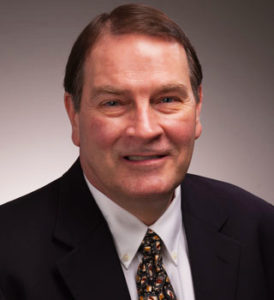 Bill Hendricks